Why Some Women Seem to Age Better Than Others (Hint: It's Not Genetics)
May 23, 2026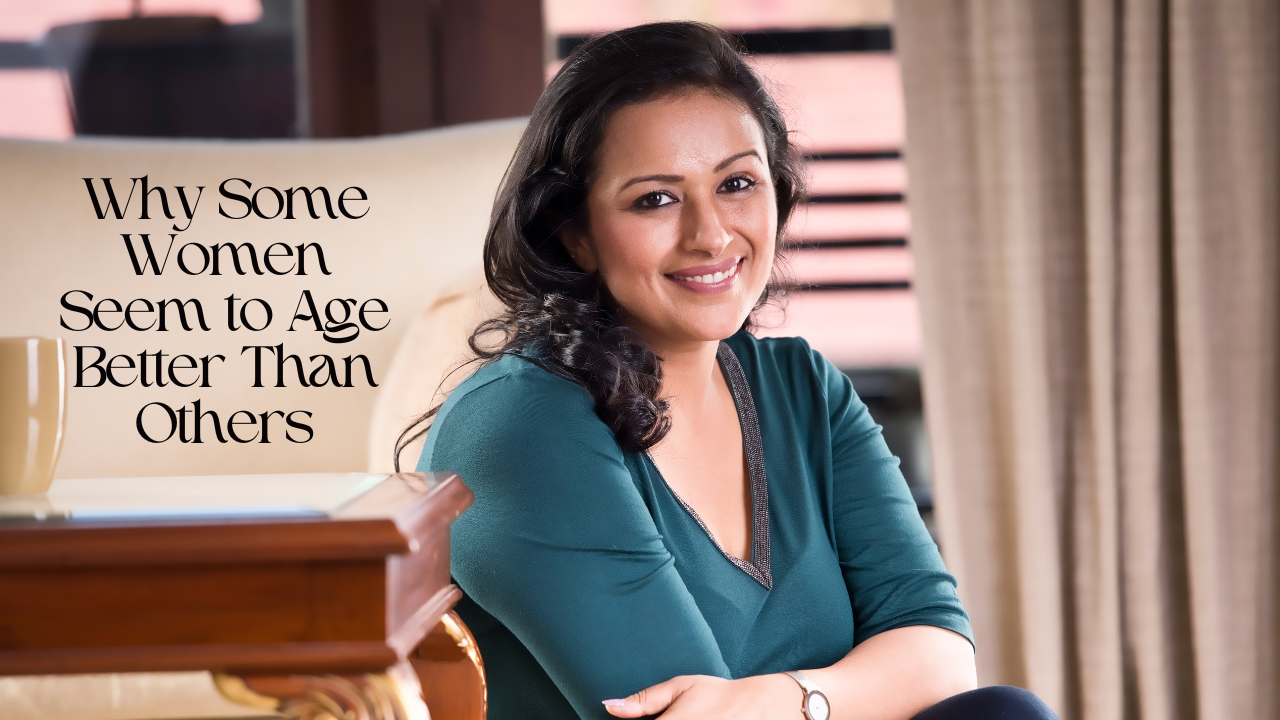
Have you ever met a woman in her 60s or 70s who seems to have an abundance of energy, confidence, and vitality? She walks with purpose, embraces new challenges, and appears far younger than her years. It's easy to assume she was blessed with exceptional genes.
While genetics certainly influence aspects of our health, research suggests they account for far less of how we age than many people believe. In reality, the daily choices we make around movement, nutrition, sleep, and stress management have a far greater impact on how we look, feel, and function as we get older.
One of the biggest differences between women who age well and those who struggle with energy, mobility, and health challenges is muscle. This may come as a surprise, especially when so much attention is placed on weight. Yet muscle plays a vital role in supporting metabolism, protecting bones, maintaining balance, regulating blood sugar, and helping us stay independent as we age.
Unfortunately, muscle mass naturally declines with age, and this process often accelerates during perimenopause and menopause due to changing hormone levels. Many women don't notice this gradual loss at first. Instead, they simply find that everyday tasks become more difficult. Stairs feel steeper, carrying shopping bags feels heavier, and activities that once seemed effortless require more energy.
This is one reason why strength training has become such an important topic in healthy aging. Research consistently shows that women can build and maintain muscle well into their 50s, 60s, and beyond. The women who appear to age well are often the women who continue to challenge their muscles through strength-based activities. They don't necessarily spend hours in the gym, but they understand the value of staying physically strong.
Movement outside of formal exercise matters too. Many healthy, active women have one thing in common: they keep moving throughout the day. They walk regularly, take the stairs when possible, spend time gardening, carry their own shopping, and generally avoid long periods of inactivity. These seemingly small habits add up over the years and can have a significant impact on overall health and mobility.
Nutrition also plays a crucial role. As we age, our bodies become less efficient at maintaining muscle, making protein particularly important. Protein helps repair and preserve muscle tissue while supporting recovery, energy, and satiety. Yet many busy professional women find themselves grabbing a quick piece of toast for breakfast or skipping meals altogether during hectic workdays, often without realising the impact this can have over time.
Sleep is another factor that separates women who thrive from those who constantly feel like they're running on empty. Quality sleep supports recovery, hormone regulation, mood, cognitive function, and appetite control. When sleep suffers, everything else tends to feel harder. Decisions around food, exercise, and stress management become more challenging, creating a cycle that can gradually affect overall wellbeing.
Perhaps one of the most overlooked factors in healthy aging is mindset. Women who age well often view aging differently. Rather than seeing it as a process of inevitable decline, they see it as an opportunity to invest in themselves. They focus less on trying to look younger and more on feeling stronger, healthier, and more capable.
They understand that while aging is unavoidable, becoming frail is not. They recognise that every walk, every strength session, every nutritious meal, and every good night's sleep is an investment in their future self. Over time, these small actions compound into remarkable results.
This doesn't mean life is perfect. These women face the same hormonal changes, career pressures, family responsibilities, and health concerns as everyone else. The difference is that they continue to prioritise habits that support their long-term wellbeing, even when life becomes busy.
The truth is that the women who seem to age exceptionally well rarely have access to a secret formula. More often, they have spent years building a foundation of strength, movement, nourishment, and resilience. The benefits may not be dramatic from one week to the next, but over the course of a decade, the difference can be extraordinary.
The encouraging news is that it is never too late to start. Whether you're 45, 55, or 65, your body has an incredible capacity to adapt. Small, consistent steps taken today can help you maintain your energy, independence, confidence, and quality of life for years to come.
Because aging well isn't about turning back the clock. It's about giving yourself the best possible chance to enjoy the years ahead with strength, vitality, and confidence.
Stay connected with news and updates.
Join our mailing list to receive the latest news and updates from our team.
Don't worry, your information will not be shared.
We hate SPAM. We will never sell your information, for any reason.