Why Bone Loss Accelerates During Menopause And What You Can Do About It
Jun 17, 2026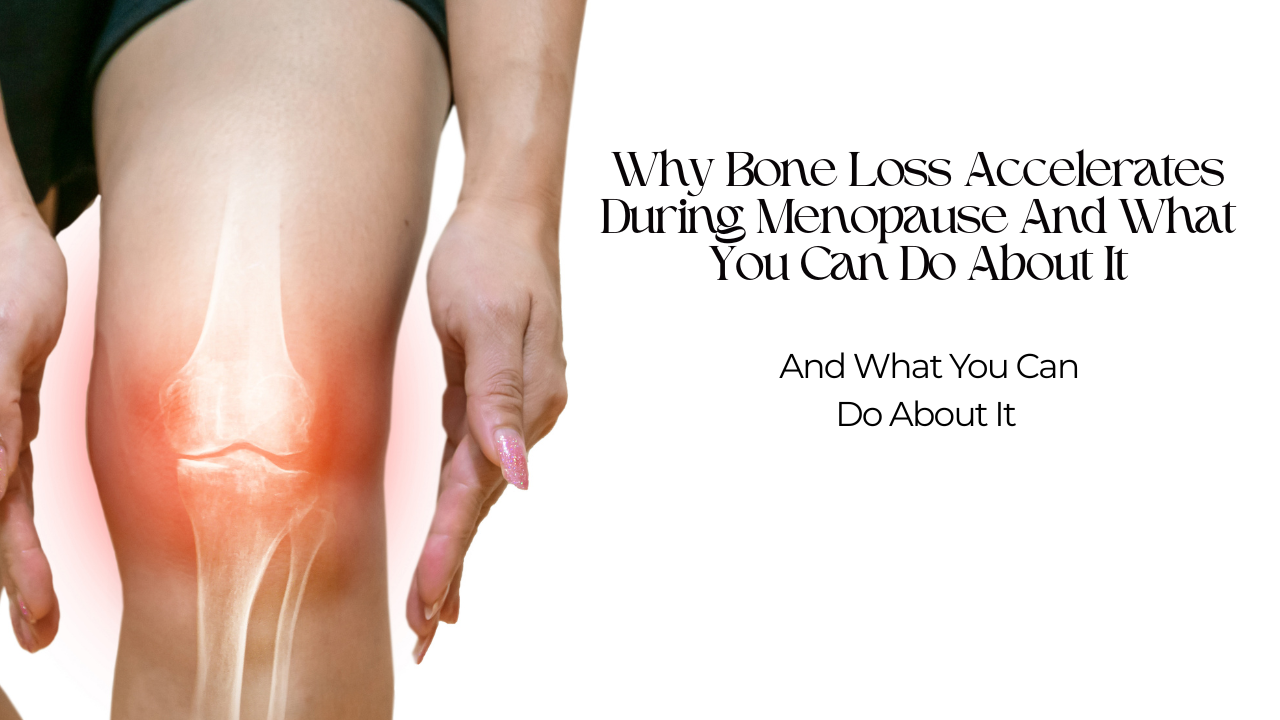
Most women expect menopause to bring certain changes.
Hot flushes, disrupted sleep, mood swings, brain fog, and perhaps a few extra pounds around the middle are all symptoms that receive plenty of attention. Yet one of the most important changes happening during this stage of life is something many women rarely think about at all.
It's happening silently inside your body.
Your bones may be getting weaker.
The reason this often goes unnoticed is because bone loss doesn't usually cause symptoms. You can't feel your bone density declining. There are no obvious warning signs, no flashing lights, and often no reason to suspect anything is changing.
For many women, the first indication there is a problem comes years later after a fracture or a routine bone density scan.
The good news is that understanding what happens during menopause can help you take steps to protect your bones long before problems develop.
The Hidden Role of Estrogen
Most women know that estrogen plays an important role in reproductive health, but fewer realise how important it is for maintaining healthy bones.
Throughout much of your adult life, estrogen helps regulate the natural process of bone remodelling. Your bones are not fixed structures. They are living tissue that is constantly being broken down and rebuilt.
When estrogen levels are healthy, there is usually a good balance between bone loss and bone formation.
During perimenopause and menopause, however, estrogen levels begin to decline. This change can cause bone breakdown to happen more quickly than bone rebuilding, leading to a gradual reduction in bone density.
According to research highlighted by Harvard Health, women can lose a significant amount of bone density during the years surrounding menopause. In fact, some studies suggest that up to 20% of bone loss can occur during this relatively short period of life.
This is one reason why menopause is considered such a critical time for bone health.
Why This Matters More Than You Might Think
When women hear the words "bone density," it's easy to assume it's a concern for much later in life.
But bone health is really about something much bigger.
It's about your ability to remain active, mobile, and independent.
Strong bones help support every movement you make. They allow you to walk confidently, carry shopping, travel, enjoy exercise, play with grandchildren, and continue doing the things you love.
When bone health declines significantly, the risk of fractures increases. A fracture may sound like a relatively minor event, but for many older adults it can have a major impact on mobility, confidence, and quality of life.
This is why protecting your bones now is really about protecting your future freedom.
Bone Loss Isn't Just About Aging
Many women assume weaker bones are simply an inevitable part of getting older.
While aging plays a role, lifestyle factors can have a significant influence too.
Physical inactivity, low protein intake, excessive dieting, smoking, high alcohol consumption, and inadequate vitamin D levels can all contribute to poorer bone health over time.
Busy professional women can be particularly vulnerable.
Long days sitting at a desk, skipped meals, chronic stress, and lack of time for exercise may not seem connected to bone health, but over many years these habits can have an impact.
The encouraging news is that positive changes can make a difference at any age.
Strength Training: One of the Best Things You Can Do
If there is one message that consistently emerges from the research, it is that movement matters.
Bones respond to challenge.
When you place healthy stress on your bones through activities such as strength training, walking, stair climbing, dancing, hiking, or racquet sports, your body receives signals that strong bones are still needed.
This is why strength training is so often recommended by experts.
Many women begin strength training because they want to tone up or lose weight. What they may not realise is that every squat, lunge, deadlift, and resistance exercise is also helping support their bones.
You are not simply building muscle.
You are investing in the framework that supports your entire body.
Don't Forget About Muscle
Muscle and bone health are closely connected.
As women age, muscle loss often occurs alongside bone loss. The challenge is that losing muscle can increase the risk of falls, while weaker bones increase the likelihood of fractures if a fall occurs.
The combination can be particularly problematic.
This is why maintaining muscle becomes such an important goal during menopause.
Strength training helps address both issues simultaneously by supporting muscle mass and encouraging stronger bones.
Nutrition Matters Too
Exercise is important, but your bones also need the right building materials.
Calcium is often the nutrient that receives the most attention, and for good reason. It plays an essential role in maintaining healthy bones. Good sources include dairy products, fortified plant-based alternatives, leafy green vegetables, almonds, and certain fish.
Vitamin D is equally important because it helps the body absorb calcium effectively. Sunlight exposure, oily fish, fortified foods, and supplements where appropriate can all help support healthy vitamin D levels.
Protein also deserves more attention than it often receives. Research increasingly shows that adequate protein intake is important for maintaining both muscle and bone health. Including a source of protein with each meal can help support healthy aging overall.
Small Actions Add Up
One of the biggest misconceptions about bone health is that it requires dramatic action.
In reality, it's often the small daily habits that matter most.
Choosing to walk more.
Taking the stairs.
Adding two strength sessions to your week.
Eating a protein-rich breakfast.
Spending time outdoors.
Making sure you're getting enough calcium-rich foods.
None of these actions seem particularly remarkable on their own.
But over years and decades, they can have a significant impact on your future health.
The Bottom Line
Bone loss accelerates during menopause because declining estrogen levels affect the body's ability to maintain bone density. While this process is a normal part of aging, it is not something women are powerless against.
Regular strength training, daily movement, adequate protein, calcium-rich foods, vitamin D, and healthy lifestyle habits can all help support stronger bones and healthier aging.
Most importantly, remember that bone health is about far more than preventing osteoporosis.
It's about protecting your ability to stay active, independent, and fully engaged in the life you want to live.
Because the actions you take today help build the strength you'll rely on tomorrow.
Stay connected with news and updates.
Join our mailing list to receive the latest news and updates from our team.
Don't worry, your information will not be shared.
We hate SPAM. We will never sell your information, for any reason.