The Silent Change Happening Inside Your Body After 40
Jun 03, 2026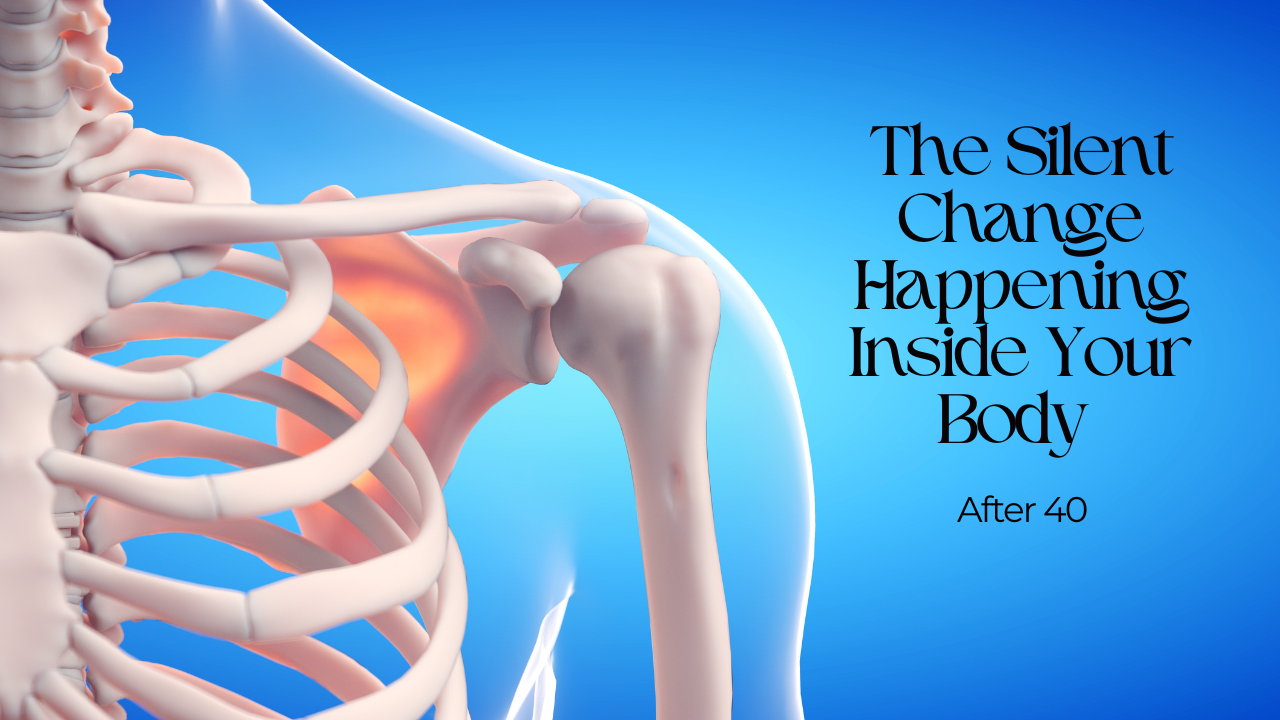
You feel fine.
You're busy juggling work, family, appointments, deadlines, and everything else life throws at you. You may be noticing a few signs of menopause creeping in. Perhaps your sleep isn't quite what it used to be. Your energy fluctuates. Your waistline seems to have a mind of its own.
But overall, life carries on.
Which is exactly why one of the most important health changes happening after 40 often goes completely unnoticed.
It's happening quietly.
You can't see it.
You can't feel it.
And most women don't know it's occurring until years later.
I'm talking about bone loss.
The Health Issue Most Women Never Think About
When women think about staying healthy in midlife, they often focus on weight, fitness, cholesterol, blood pressure, or hormone balance.
Bone health rarely makes the list.
The problem is that bone loss doesn't usually come with symptoms. You don't feel your bones becoming weaker. There are no warning lights flashing. No aches that tell you your bone density is declining.
In fact, osteoporosis is often called the "silent disease" because many women only discover they have it after suffering a fracture.
That's what makes it so important to understand.
Your Bones Are Constantly Changing
Many of us imagine our skeleton as something fixed and permanent.
In reality, your bones are living tissue.
Throughout your life, your body is constantly breaking down old bone and replacing it with new bone. During childhood and early adulthood, bone is built faster than it is lost, which is why our bones become stronger as we grow.
We typically reach peak bone mass somewhere between our late twenties and early thirties.
After that, the balance gradually shifts.
Bone breakdown begins to outpace bone formation.
The process is slow, which is why most women don't notice anything happening.
Why Menopause Changes Everything
One of the biggest reasons bone loss accelerates during menopause is estrogen.
Most women know estrogen influences reproductive health, but fewer realise it also plays a crucial role in protecting bones.
Estrogen helps regulate the natural process of bone remodelling. As estrogen levels begin to decline during perimenopause and menopause, bone breakdown can happen more rapidly.
According to research published in leading journals and highlighted by Harvard Health, women can lose a significant amount of bone density during the years surrounding menopause. Some estimates suggest that up to 20% of lifetime bone loss can occur during this period.
That's why menopause is considered such a critical window for bone health.
The Surprising Link Between Bones and Independence
When many women hear the words "bone density," they think about something that might matter decades from now.
The reality is that strong bones are closely linked to the quality of life you want in the future.
Strong bones help support mobility, balance, confidence, and independence.
They help ensure you can travel, stay active, enjoy long walks, play with grandchildren, carry shopping, and continue doing the things you love.
In contrast, fractures later in life can have a profound impact on mobility and independence.
This is why experts encourage women to think about bone health long before a problem develops.
The Risk Factors You Might Not Realise You Have
Many women assume osteoporosis only affects the elderly.
The foundations are often laid much earlier.
A sedentary lifestyle, prolonged dieting, low protein intake, smoking, excessive alcohol consumption, inadequate calcium and vitamin D, and a lack of strength-building exercise can all contribute to poorer bone health over time.
Busy professional women can be particularly vulnerable.
Long hours sitting at a desk, skipped meals, chronic stress, and a lack of time for exercise may not seem related to bone health, but over the years they can make a difference.
The Good News: Bones Respond to What You Do Today
The encouraging news is that bones are living tissue.
Just as muscles respond to challenge, bones respond to the demands we place upon them.
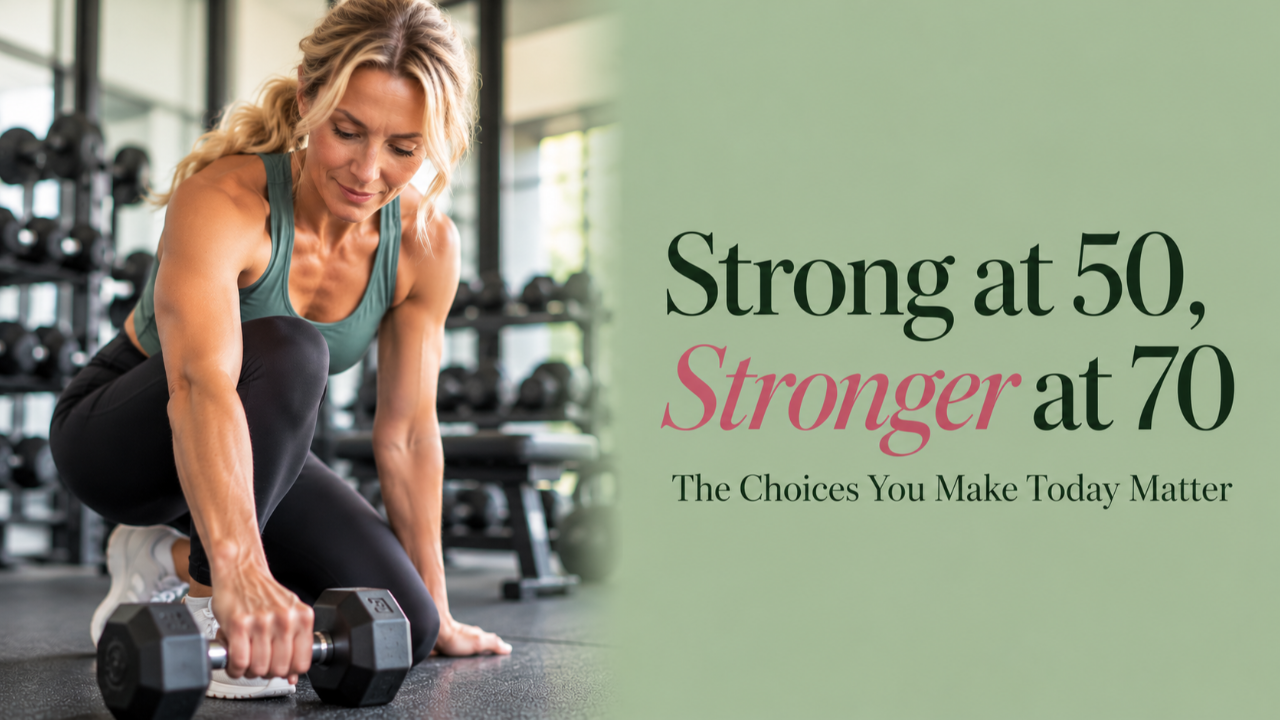
Research consistently shows that weight-bearing and resistance exercises can help support bone strength. Activities such as strength training, brisk walking, stair climbing, hiking, dancing, and tennis all encourage bones to remain stronger.
This is one reason why strength training has become such an important recommendation for women during and after menopause.
You're not simply building muscle.
You're supporting your skeleton too.
Nutrition Matters More Than You Think
Bone health isn't just about exercise.
Your bones need the right building materials.
Calcium is important, but it isn't the whole story. Vitamin D helps the body absorb calcium, while protein provides essential support for bone structure and muscle health.
Many women are surprised to learn that protein intake is associated with healthier aging, stronger muscles, and better bone health.
A balanced diet rich in dairy products or fortified alternatives, leafy greens, beans, fish, nuts, seeds, and quality protein sources can help provide the nutrients your bones need.
The Future Is Being Built Right Now
One of the most powerful things to remember is that the choices you make today affect the bones you'll have ten, twenty, and thirty years from now.
Every strength workout.
Every walk.
Every protein-rich meal.
Every effort to support your health.
These small actions may not seem significant in the moment, but they are investments in your future mobility, confidence, and independence.
The Bottom Line
One of the biggest health changes happening after 40 is often completely invisible.
Bone loss begins quietly, without symptoms, and can accelerate during menopause as estrogen levels decline.
The good news is that there is a great deal you can do to support your bones. Strength training, regular movement, adequate protein, calcium-rich foods, vitamin D, and healthy lifestyle habits can all help protect bone health for years to come.
Because the goal isn't simply to live longer.
It's to stay strong enough to enjoy the life you're living.
Stay connected with news and updates.
Join our mailing list to receive the latest news and updates from our team.
Don't worry, your information will not be shared.
We hate SPAM. We will never sell your information, for any reason.