The Professional Woman’s Guide to Staying Energised Without Burning Out
fixing energy in midlife Apr 28, 2026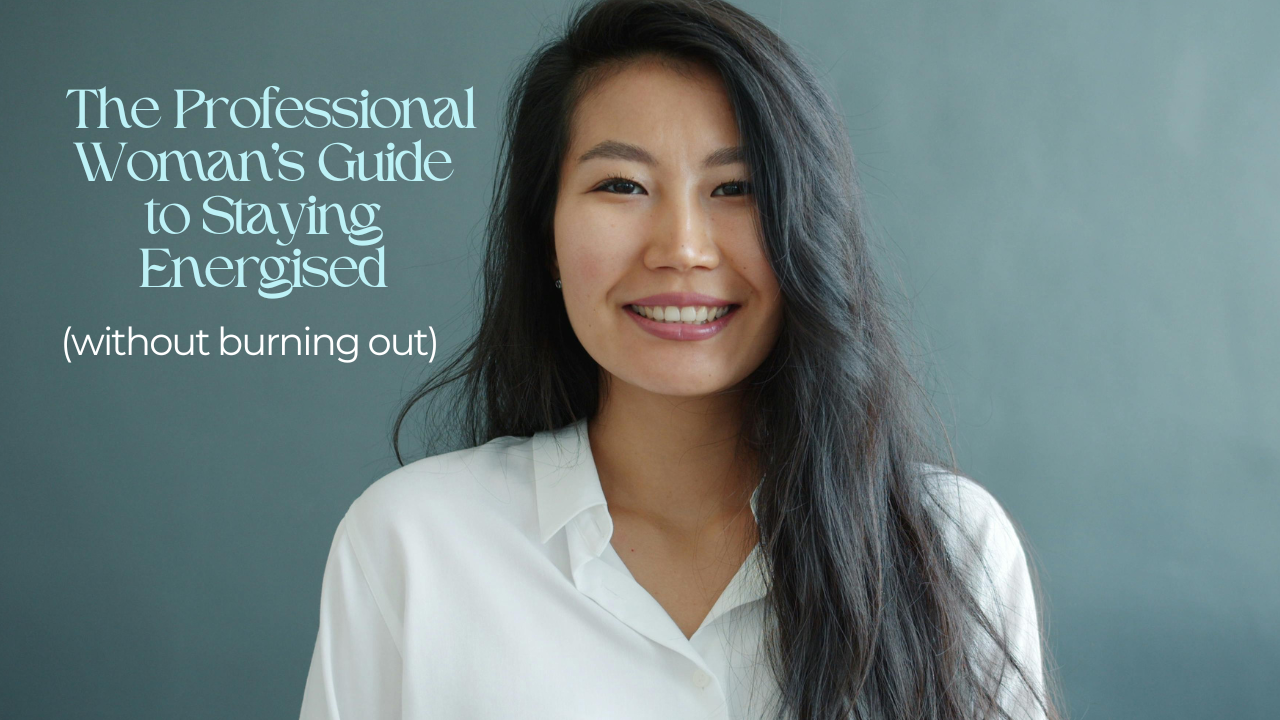
There’s a level of tiredness that doesn’t come from one bad night’s sleep or a particularly busy week. It builds gradually. Quietly. Often unnoticed at first.
You’re still showing up to work, managing responsibilities, keeping everything moving. On the outside, everything looks capable and controlled. But underneath, your energy feels different. Less steady. More fragile.
And what once felt manageable now feels like it requires more from you.
For many professional women over 50, this isn’t just about being busy. It’s about the way your body now responds to pressure, responsibility, and recovery.
Why Energy Feels Less Reliable in Midlife
Energy is not just about how much you sleep or how much you do. It’s regulated by a complex interaction between hormones, metabolism, and your nervous system.
Research from Harvard Health Publishing shows that changes in estrogen and cortisol levels during midlife can directly affect how energy is produced, used, and sustained throughout the day.
This means your body becomes less tolerant of constant output without recovery. What once felt like a normal pace can now lead to deeper fatigue if it isn’t balanced.
Burnout Doesn’t Always Look Dramatic
Burnout is often imagined as something extreme. Complete exhaustion. Stepping away from work. Hitting a clear breaking point.
But for many women, it shows up in more subtle ways.
It can feel like:
- Waking up already tired
- Losing focus more easily
- Feeling mentally drained by the afternoon
- Struggling to switch off in the evening
These are not just signs of a busy life. They are signals that your energy systems are under strain.
The Pressure to Keep Pushing
Professional women are often used to high standards. You’ve built careers, supported others, and handled responsibility with consistency and strength.
That mindset doesn’t disappear in midlife. If anything, it becomes more ingrained.
So when energy dips, the instinct is to push through. To keep going. To maintain the same level of output.
But this is where the shift needs to happen.
Because in this stage of life, pushing harder without adjusting your strategy can deepen fatigue rather than resolve it.
Energy Is Now About Regulation, Not Just Output
Staying energised is no longer about doing more. It’s about how well your body can regulate energy across the day.
This includes:
- Stable blood sugar
- Balanced stress hormones
- Efficient use of fuel
- Consistent recovery
When these systems are supported, energy feels steady and reliable. When they are not, fatigue becomes more noticeable and harder to shift.
The Strategy That Supports Sustainable Energy
Instead of trying to power through, the focus becomes creating conditions where your body can maintain energy more naturally.
Nourish Your Energy, Don’t Chase It
Skipping meals or relying on caffeine can create short bursts of energy, but they often lead to crashes later in the day.
Balanced meals that include protein, fibre, and healthy fats help stabilise blood sugar and provide a more consistent source of fuel.
This is not about perfection. It is about giving your body what it needs to function well.
Build Strength to Support Stamina
Muscle plays a key role in energy production and overall resilience.
Strength training helps your body use energy more efficiently, supports metabolic health, and improves how you feel during everyday activities.
Even a few sessions each week can begin to make a noticeable difference in how steady your energy feels.
Create Space for Recovery
Recovery is often the missing piece for high-performing women.
Without moments to reset, your nervous system stays in a heightened state, which can drain energy over time.
This doesn’t require hours of free time. Small moments throughout the day, such as a short walk, gentle stretching, or simply stepping away from your screen, can help your body recalibrate.
Protect Your Evenings
The way you end your day influences how you start the next.
Reducing stimulation in the evening, creating a simple wind-down routine, and allowing your mind to slow can improve sleep quality. Better sleep then supports energy, focus, and mood the following day.
Listen to Your Body Without Losing Structure
Structure still matters. But it becomes more flexible.
Some days your energy will be higher, and you can lean into that. Other days may require a slower pace.
Responding to these shifts allows you to stay consistent without pushing yourself into exhaustion.
The Shift From Burnout to Balance
When you begin to approach your energy in this way, something changes.
You no longer feel like you are constantly trying to catch up. Your energy becomes more predictable. You feel more present in your work and your life.
And perhaps most importantly, you begin to feel supported by your body rather than in conflict with it.
A Different Kind of Strength
Staying energised in midlife is not about maintaining the same pace you had in earlier years.
It’s about understanding what your body needs now and creating a rhythm that allows you to perform, contribute, and feel well at the same time.
Because true strength at this stage of life is not just about how much you can handle.
It’s about how well you can sustain it.
Stay connected with news and updates.
Join our mailing list to receive the latest news and updates from our team.
Don't worry, your information will not be shared.
We hate SPAM. We will never sell your information, for any reason.

A soulful, nurturing retreat experience for women, what might change if you gave yourself four days?
At the REVIVAL retreat, you can step away from the demands of everyday life and make space for yourself. We will walk through the Peak District, enjoy gentle yoga and guided meditation, and share gratitude sessions and fireside chats.
Personality profiling and habit transformation sessions will give you time to reflect on where you are now and what you would like to take home with you. Come as you are, alongside a small group of women who have made this time for themselves too.
21–24 June 2027 | Just 10 places
Registration opens soon.
Support Your Body
40 plus body reset anti inflammatory food balance balance hormones balancing hormones beginners strength training bloating blood sugar blood sugar balance body confidence bone density health bone health after 50 brain fog brain help breakfast recipes breathwork building resilience core exercises creating space in midlife detox detox your body diabetic management digestion easter recipes emotional balance emotional eating energy evening routines exercise for women exercise recovery in midlife fatigue tips fibre for midlife fitness transformation fixing energy in midlife flexibility fuel guided walking uk gut health health accountability health goals health strategy healthy healthy ageing healthy foods healthy recipes heart health hormonal hormonal balance hormone balance hormone balancing breakfast hormone health hormones hot flashes hydration insulin and midlife january detox joint health joint pain lifestyle foods losing muscle through ageing losing weight low impact cardio making time meal prep meditation meditation tips menopase wellness menopause menopause and digestion menopause exercise menopause fatigue menopause health menopause moods menopause nutrition menopause supplements menopause support menopause support for career women menopause symptoms menopause wellness menopause workout mental health for menopause and perimenopause mental health wellness metabolism midlife midlife boundaries midlife energy midlife health & well being midlife reflection midlife reset midlife weight gain midlife wellness milestones mindfulness mindset mobility morning routine morning routine for midlife movement movement and mobility muscle strength nature nutrition nutrition and healthy eating nutrition for busy women nutrition for menopause nutrition mistakes made nutriton nutritonal snacks outdoor perimenopause perimenopause nutrition perimenopause support perimenopause symptoms perimenopause wellness perimenopause yoga post menopause support protein reducing cancer risk reducing stress tips reflection for busy women resistance band training retreats 2026 self care self care for professional women self care tips set boundaries sleep sleep and menopause sleep and perimenopause sleep tips spring detox strength and movement strength training strength training for women 50 plus stretching stretching routines the 30 day detox challenge for midlife women the desk job body tracking fitness vitamins walking weight gain weight loss weight training for women wellness wellness habits womens wellness freedom yin yoga yoga yoga and menopause yoga routine yoga routines yoga stretch