Strong Bones Need More Than Calcium
Jun 24, 2026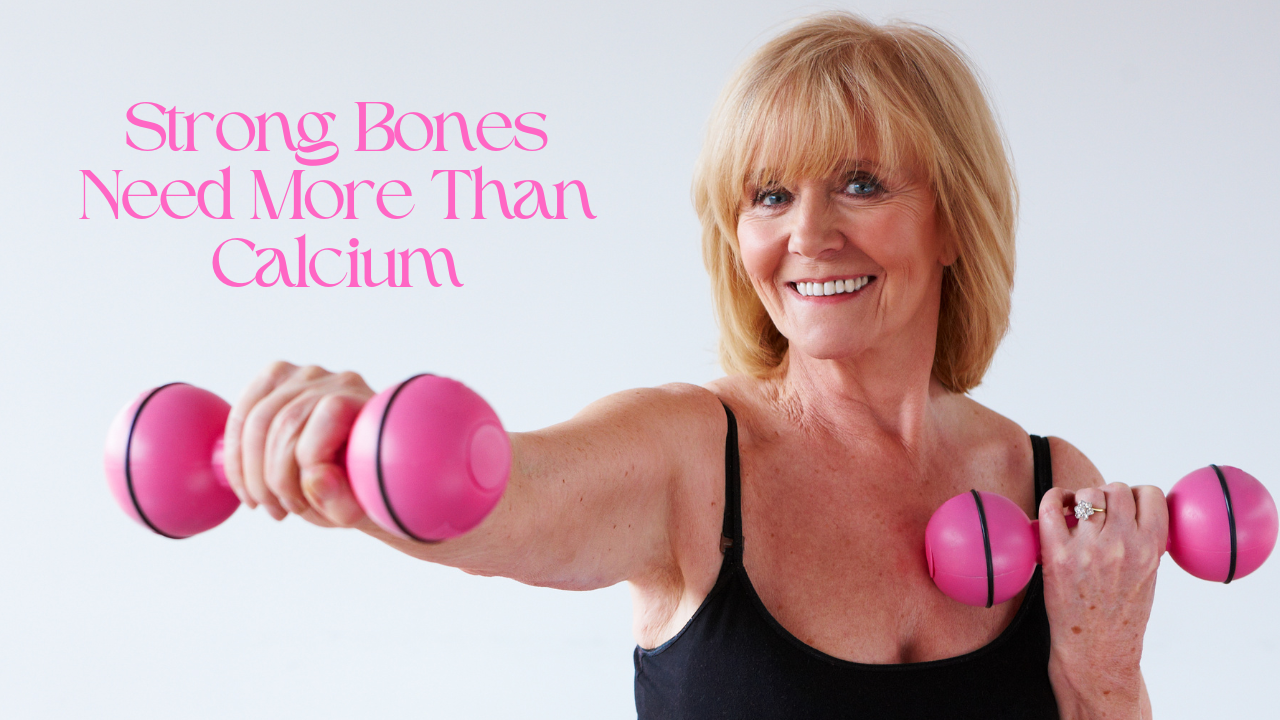
When women think about bone health, calcium is often the first thing that comes to mind. We add yoghurt to breakfast, choose calcium-fortified milk or consider taking a supplement.
Calcium matters, but it is only part of the story.
Your bones also need a reason to remain strong. That reason comes from using your muscles, carrying weight and asking your skeleton to cope with forces greater than those it meets during an ordinary, mostly sedentary day.
In other words, some of the most powerful support for your bones may not be sitting in your fridge. It may be waiting in the weights cupboard.
Your bones are not an inactive frame
Bones can feel permanent and unchanging, but they are living tissue. Throughout your life, old bone is continually broken down and replaced with new bone.
During perimenopause and menopause, falling oestrogen levels can disrupt this balance. Bone may begin to be lost faster than it is replaced, which is why menopause represents an important turning point for women’s bone health. Lower bone density can eventually make bones less resistant to fractures, often without causing any obvious symptoms beforehand.
This is what makes osteoporosis so easy to overlook. You can feel well, remain busy and have no idea that your bones are becoming less resilient until a fracture occurs.
It is also why bone health deserves attention before there is a problem—not only after a diagnosis.
Calcium supplies the materials. Movement sends the message.
Imagine renovating a house. You can purchase excellent bricks, timber and cement, but those materials will not organise themselves into a stronger building. They still need a plan and a reason to be used.
Calcium, vitamin D, protein and other nutrients provide important materials for maintaining bone. Vitamin D helps the body absorb and use calcium, while protein helps support the muscles that move and protect the skeleton.
Exercise provides a different part of the process: the physical stimulus.
When your muscles contract against resistance, they pull on the bones through the tendons. Weight-bearing movement and impact also create forces through the skeleton. These forces signal that the bones need to remain capable of handling physical demand.
This is why both the NHS and the Royal Osteoporosis Society emphasise weight-bearing and muscle-strengthening exercise alongside good nutrition.
The most effective approach is not choosing between calcium and strength training. It is combining them.
Strong muscles help protect bones in two ways
The connection between muscle and bone goes further than the weight you lift during a workout.
First, stronger muscles can create a greater training stimulus for the bones. Exercises such as squats, rows, presses and loaded carries ask the muscles to produce force while placing controlled demand through different areas of the skeleton.
Second, strength supports balance, posture and physical confidence. This matters because preventing a fracture is not only about improving bone density; it is also about reducing the likelihood of falling.
UK osteoporosis guidance recognises the value of programmes that combine resistance work with balance, weight-bearing and appropriate impact exercise. This combination can address bone strength, muscle function and fall risk rather than focusing on only one part of the problem.
Think of your muscles as part of your bones’ protective system. Stronger legs can help you recover when you stumble. A stronger back can support your posture. Better grip, balance and coordination can make everyday movement feel more secure.
Is walking enough for your bones?
Walking is excellent for cardiovascular health, mood, mobility and maintaining an active lifestyle. Because it is performed on your feet, it is also a weight-bearing activity.
However, a familiar walk may eventually stop providing much of a new challenge to the skeleton. Bone appears to respond best when the physical load is greater or different from what it experiences during normal daily activity.
This does not mean you should stop walking. It means walking can form one part of a broader bone-health plan.
You might walk regularly while also completing two strength sessions each week. Depending on your joints, fitness and fracture risk, you could add hills, stairs, dancing or carefully selected impact movements.
Swimming and cycling are valuable forms of exercise too, particularly for cardiovascular fitness and joint-friendly movement. However, because the water or bicycle supports much of your weight, they do not challenge the skeleton in the same way as standing, resistance and impact-based activities.
You do not need to give up the exercise you enjoy. You simply need to notice what may be missing.
A practical bone-strengthening routine
A useful strength session does not have to involve complicated gym equipment. It should work the major muscle groups and include movements that support everyday life.
A simple routine could include:
- A sit-to-stand or squat for your thighs, hips and glutes
- A hip hinge or supported deadlift movement for your hips, back and legs
- A wall press-up or dumbbell press for your chest, arms and shoulders
- A resistance-band or dumbbell row for your upper back
- Calf raises for the lower legs and ankles
- A loaded carry, holding weights securely while walking
Begin with one or two sets of approximately 8 to 12 controlled repetitions. The final few repetitions should require effort, but you should still be able to maintain good technique.
When you can complete every repetition easily, progress the exercise slightly. You might use a heavier weight, add another repetition, increase the resistance of your band or choose a more challenging version of the movement.
Evidence from systematic reviews suggests that resistance training can positively affect bone mineral density in postmenopausal women, particularly when it is sufficiently challenging and continued consistently. However, the most appropriate load should reflect the woman’s experience, health and individual fracture risk.
The goal is not to lift the heaviest weight in the room. It is to give your body a reason to adapt.
Do not forget balance and impact
Muscle-strengthening exercise is essential, but bone health is best supported by a mixture of movement.
Balance exercises can be added to ordinary routines. You could practise standing on one leg while holding a stable surface, walk heel to toe across the room or include controlled step-ups.
Impact means the force created when your feet meet the ground. Dancing, jogging, hopping and jumping are examples of activities with varying levels of impact.
Impact is not suitable for everyone. Women with osteoporosis, previous spinal fractures, significant joint problems or a high fracture risk may need lower-impact alternatives and professional guidance. Exercise should be adapted rather than approached with a “push through at all costs” mindset.
For a woman without these concerns, even small amounts of appropriate impact may add a useful stimulus that walking alone does not provide. The right level should feel purposeful but safe.
Give your bones the nutrients they need
Exercise cannot compensate for a diet that consistently lacks essential nutrients.
Include regular sources of calcium such as milk, yoghurt, cheese, calcium-set tofu, fortified plant drinks, tinned fish with edible bones and appropriate green vegetables. Your needs should ideally be met through a varied diet unless a healthcare professional recommends a supplement.
Vitamin D is also important because it helps the body absorb and use calcium. In the UK, official guidance commonly recommends considering a daily vitamin D supplement during autumn and winter, with some people advised to take one throughout the year based on their individual risk.
Protein deserves attention too. Muscles need protein to repair and adapt after training, and stronger muscles help you place beneficial demand through your bones. Try to include a meaningful protein source at each meal rather than leaving most of your daily intake until dinner.
Bone health does not come from one “superfood”. It comes from the combination of nutrition, exercise, recovery and long-term consistency.
Know when to ask about your bone health
It may be worth discussing your fracture risk with a GP or healthcare professional if you experienced menopause before the age of 45, have broken a bone following a relatively minor fall, have a strong family history of osteoporosis or hip fracture, or have taken steroid medication for an extended period.
Other factors can also affect bone health, including very low body weight, smoking, heavy alcohol intake, certain digestive conditions and some medicines.
A bone-density scan is not automatically needed by every woman at 40 or 50. However, understanding your personal risk can help determine whether further assessment is appropriate.
Women already diagnosed with osteoporosis should not rely on lifestyle changes as a replacement for prescribed treatment. The Royal Osteoporosis Society advises that exercise and healthy habits remain valuable, but osteoporosis medication may still be needed when fracture risk is high.
Build the body that can carry you forward
It is easy to think about bone health as something for much later in life. Yet the strength you want in your seventies is influenced by the habits you build in your forties, fifties and sixties.
You are not exercising simply to improve a scan result. You are training so that you can lift your luggage, walk confidently, get up from the ground and continue doing the activities that make life enjoyable.
Calcium remains important. So do vitamin D, protein and a balanced diet.
But your bones also need movement. They need resistance. They need your muscles to pull, lift and carry.
You do not have to train like an athlete. You simply need to remind your body, regularly and progressively, that strength is still required.
Your skeleton is listening to how you live. Give it a strong message.
Stay connected with news and updates.
Join our mailing list to receive the latest news and updates from our team.
Don't worry, your information will not be shared.
We hate SPAM. We will never sell your information, for any reason.