Is Your Diet Quietly Weakening Your Bones?
Jun 19, 2026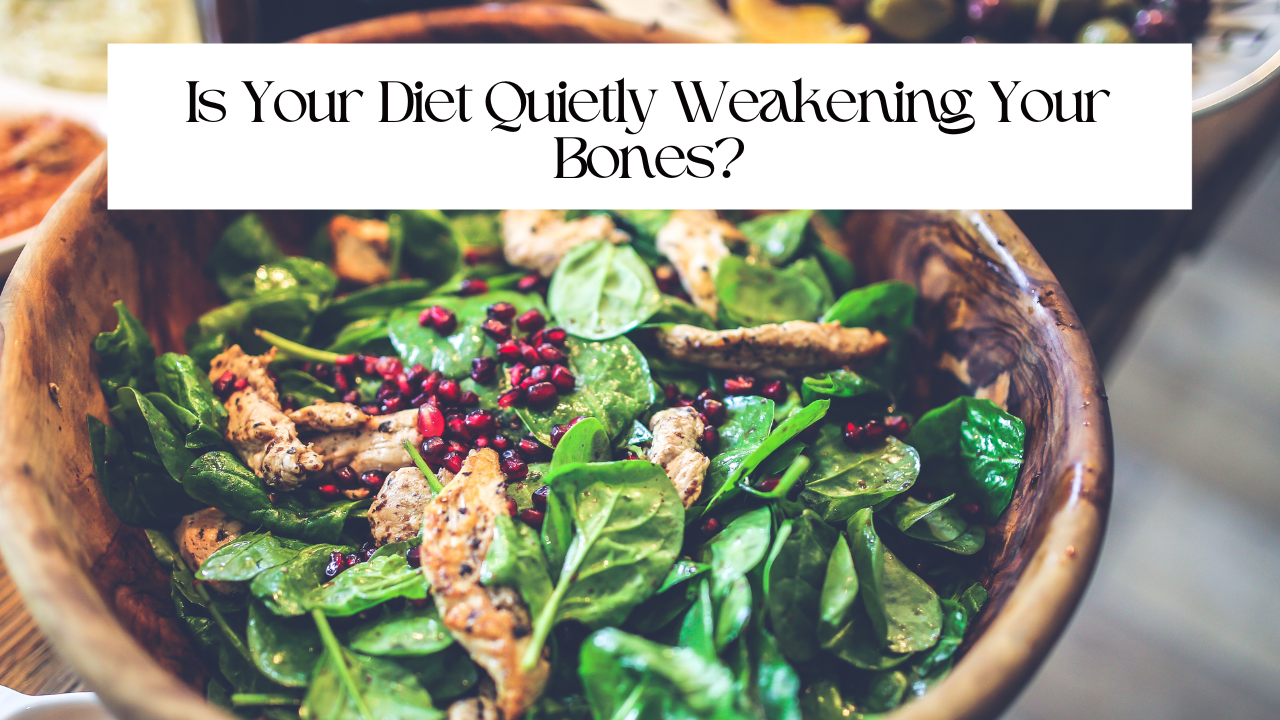
When most women think about bone health, they think about calcium.
Perhaps you've been told to drink more milk, take a calcium supplement, or eat more dairy products. While calcium is certainly important, the truth is that healthy bones require much more than a single nutrient.
In fact, one of the biggest misconceptions about bone health is that it can be solved with a supplement alone.
The reality is that your bones are living tissue. They are constantly being broken down and rebuilt, and they rely on a steady supply of nutrients to stay strong. If those nutrients are missing, your bones may be affected long before you notice any symptoms.
This is particularly important during perimenopause and menopause, when declining estrogen levels can accelerate bone loss. According to research highlighted by Harvard Health, women can lose significant amounts of bone density during the years surrounding menopause, making nutrition more important than ever.
The challenge is that many women are unknowingly eating in ways that may not fully support their bones.
It's Not Just About Calcium
Calcium often dominates the conversation around bone health, and for good reason. Approximately 99% of the body's calcium is stored in bones and teeth, where it provides structure and strength.
However, calcium does not work alone.
Think of calcium as the bricks in a house. Bricks are essential, but without builders, cement, and a solid framework, you won't have a strong structure.
Your bones need a team of nutrients working together.
This includes vitamin D, protein, magnesium, vitamin K, phosphorus, and a range of other nutrients that support bone formation and maintenance.
Focusing on calcium while neglecting everything else is a little like buying bricks but forgetting the rest of the building materials.
The Nutrient Many Women Are Missing: Protein
When women think about protein, they often associate it with athletes or bodybuilders.
Yet research increasingly shows that protein is essential for healthy aging, particularly during menopause.
Protein provides the building blocks for muscles, but it also plays a critical role in maintaining bone structure. Studies published in respected journals including Osteoporosis International suggest that adequate protein intake is associated with better bone health and reduced risk of fractures in older adults.
Unfortunately, many women are not eating enough.
A slice of toast for breakfast, a light salad for lunch, and a small evening meal may seem healthy, but it may not provide sufficient protein to support muscle and bone health.
Including protein-rich foods such as eggs, fish, Greek yogurt, chicken, tofu, beans, lentils, and cottage cheese throughout the day can make a meaningful difference.
Why Vitamin D Matters So Much
You can consume plenty of calcium, but without adequate vitamin D your body may struggle to absorb it effectively.
Vitamin D helps regulate calcium levels and supports healthy bone remodelling. Low vitamin D levels have been linked to reduced bone density and an increased risk of fractures.
In the UK, vitamin D deficiency is relatively common, particularly during the autumn and winter months when sunlight exposure is limited.
This is one reason many health professionals recommend considering vitamin D supplementation during certain times of the year, alongside safe sun exposure and vitamin D-rich foods where possible.
Could Dieting Be Affecting Your Bones?
Many professional women have spent decades dieting.
They've tried low-fat diets, low-calorie plans, meal replacements, detoxes, and countless other approaches in pursuit of weight loss.
What often goes unrecognised is that chronic dieting can sometimes affect bone health.
Very restrictive diets may reduce intake of key nutrients needed for healthy bones. Some women also lose muscle mass during periods of significant calorie restriction, which can indirectly affect bone strength and physical resilience.
Research suggests that maintaining a healthy body weight, preserving muscle mass, and consuming adequate nutrients are all important for long-term bone health.
This is another reason why healthy aging is increasingly focused on nourishment rather than restriction.
The Surprising Role of Magnesium and Vitamin K
While calcium and vitamin D receive most of the attention, magnesium and vitamin K also play important supporting roles.
Magnesium helps regulate calcium balance and contributes to healthy bone formation. Foods such as nuts, seeds, legumes, leafy greens, and whole grains are good sources.
Vitamin K helps support bone metabolism and is found in foods including spinach, kale, broccoli, and other green vegetables.
The takeaway is simple: healthy bones thrive on a varied, nutrient-rich diet rather than a narrow focus on one nutrient alone.
What About Coffee and Alcohol?
This is often where women become concerned.
The good news is that you don't need to give up your morning coffee.
Research suggests that moderate coffee consumption is generally compatible with good health when consumed as part of a balanced diet. The issue tends to arise when caffeine intake is excessive and displaces more nutritious foods and drinks.
The same applies to alcohol. Occasional enjoyment is unlikely to be problematic for most women, but excessive alcohol intake has been associated with poorer bone health and an increased risk of fractures.
As with most aspects of nutrition, balance matters.
Building a Bone-Friendly Plate
Rather than obsessing over individual nutrients, it can be helpful to think about creating meals that naturally support bone health.
A breakfast containing Greek yogurt, berries, and nuts provides protein, calcium, and other valuable nutrients.
A lunch with salmon, leafy greens, and whole grains offers protein, vitamin D, magnesium, and healthy fats.
A dinner containing beans, vegetables, quality protein, and calcium-rich foods contributes further building blocks for healthy bones.
The goal isn't perfection.
The goal is consistency.
Small Changes, Big Benefits
One of the most reassuring aspects of bone health is that it doesn't require a complete lifestyle overhaul.
Adding more protein to breakfast.
Including leafy greens more often.
Checking your vitamin D status.
Eating regular, balanced meals rather than skipping them.
These small actions may seem insignificant on their own, but over time they can help support stronger bones and healthier aging.
The Bottom Line
If you're focusing solely on calcium, you may be missing the bigger picture.
Healthy bones rely on a combination of nutrients including protein, vitamin D, magnesium, vitamin K, and calcium, alongside regular physical activity and strength training.
Menopause may accelerate bone loss, but nutrition remains one of the most powerful tools available to help support your bones for the future.
Because protecting your bones isn't really about avoiding a diagnosis.
It's about protecting your ability to stay active, independent, and fully engaged in the life you want to live.
Stay connected with news and updates.
Join our mailing list to receive the latest news and updates from our team.
Don't worry, your information will not be shared.
We hate SPAM. We will never sell your information, for any reason.