Why Gentle Strength Training Changes Everything After 50
Apr 08, 2026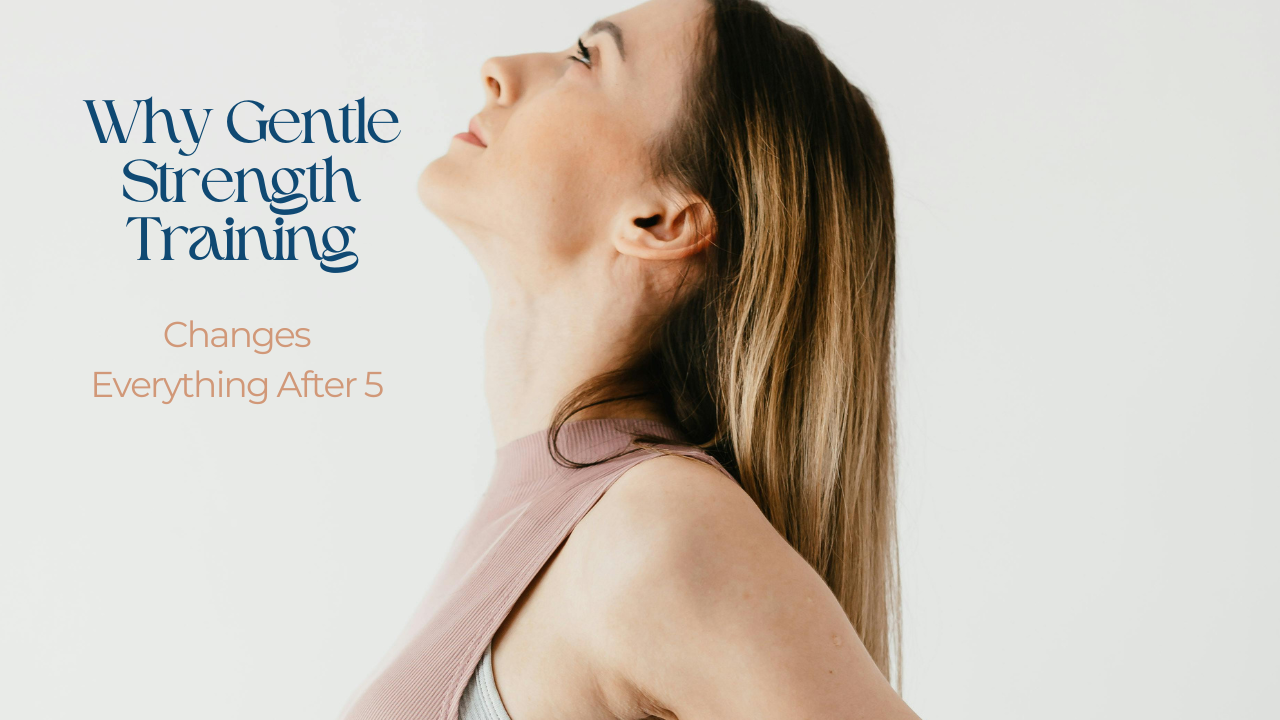
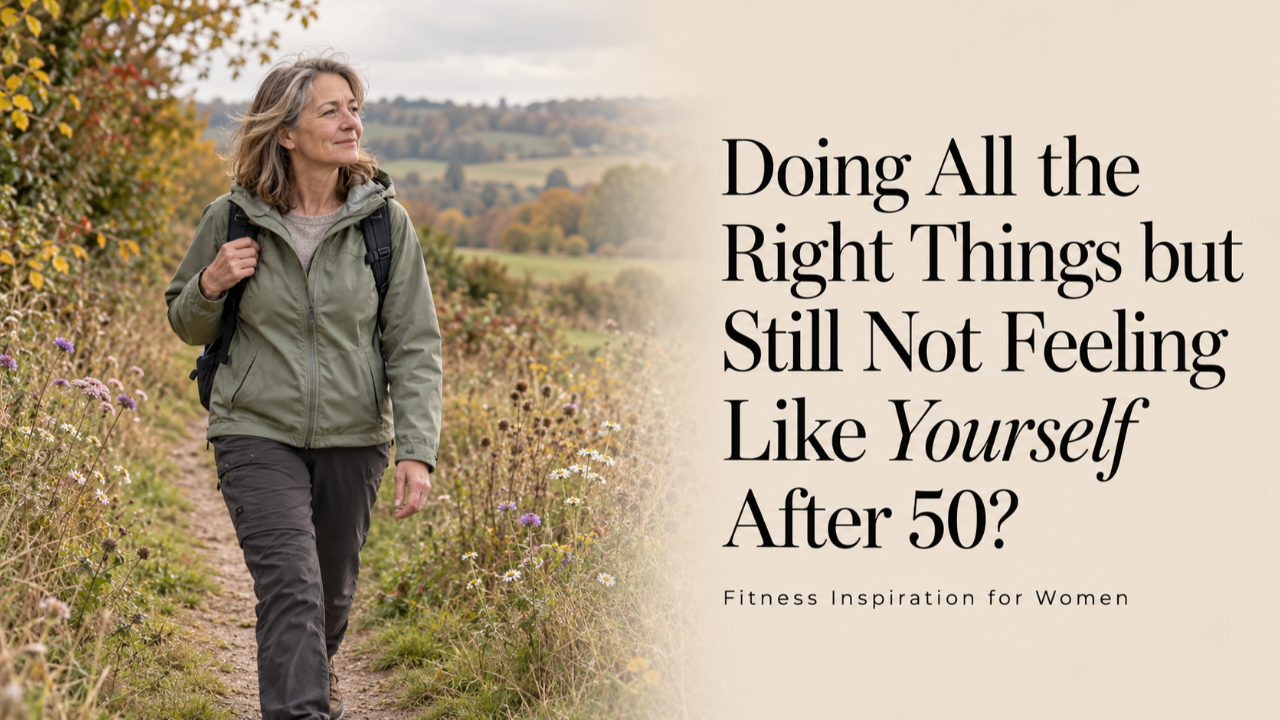
For many professional women, strength has often been associated with pushing harder, lifting heavier, and increasing intensity. That mindset is usually built on years of discipline and consistency, and for a long time, it delivers results. But after 50, the body begins to respond differently. Workouts that once felt energising can start to feel depleting, recovery takes longer, and energy becomes less predictable. It is at this point that many women assume they need to do more, when in reality, this is where a different approach becomes far more effective.
As you move through menopause, declining estrogen levels influence muscle mass, joint health, and your body’s ability to recover. At the same time, your nervous system becomes more sensitive to stress, which means that overly intense or aggressive training can increase fatigue rather than build resilience. This is not a sign that your body is becoming weaker. It is a signal that your body now responds better to a more intelligent and supportive way of building strength.
Gentle strength training is often misunderstood because the word “gentle” can sound like it lacks impact, but in reality, it is highly effective. It is not about doing less for the sake of it, and it is certainly not about making exercise easy. It is about how you move. This approach focuses on controlled, intentional movement, where form, stability, and muscle engagement take priority over speed or intensity. By slowing things down and being more precise, your body is able to build strength in a way that feels supported rather than strained.
When you begin to train this way, your body responds differently. Muscles are activated more effectively, which helps build strength without placing unnecessary pressure on your joints. Your movements become more stable, and the risk of injury or inflammation reduces. At the same time, your nervous system remains more regulated, which means you are far less likely to finish a session feeling exhausted. Instead, you are more likely to feel stronger, clearer, and better able to continue with your day.
The benefits of this approach tend to build gradually but meaningfully. Many women notice improvements in posture without consciously trying to stand differently, and everyday tasks begin to feel easier and less physically demanding. Energy levels often become more stable, and there is less of a need to recover from workouts. There is also a noticeable shift in confidence, not from pushing to extremes, but from feeling capable and supported in your own body.
Starting this approach does not require a complete overhaul of your routine. It is more about refining how you move within what you are already doing. Slowing your movements down allows for better muscle engagement and reduces unnecessary strain. Choosing exercises that support stability, such as squats, lunges, and controlled upper-body work, helps build strength that translates into daily life. Using a level of resistance that feels challenging but manageable allows you to maintain proper form, while resting between sets without rushing gives your body the time it needs to perform well. A helpful guide is to finish your session feeling better than when you started, rather than completely depleted.
For professional women balancing full schedules, responsibilities, and constant mental demand, this approach becomes even more valuable. Your workouts should not add another layer of stress to your day. Instead, they should support your energy and help you feel more capable in everything else you do. Gentle strength training fits into a busy life because it works with your body rather than pushing it beyond what it can sustainably handle.
Strength in midlife is no longer just about what you can lift. It is about how well your body supports you day to day, how easily you move, and how quickly you recover. This is the kind of strength that allows you to stay active, capable, and energised without burnout.
As you reflect on your current routine, it may be worth asking how you can build strength in a way that supports you rather than drains you. Because after 50, the most powerful results often come not from doing more, but from doing what works.
Stay connected with news and updates.
Join our mailing list to receive the latest news and updates from our team.
Don't worry, your information will not be shared.
We hate SPAM. We will never sell your information, for any reason.