What Professional Women Over 50 Should Really Be Eating for Energy
Mar 04, 2026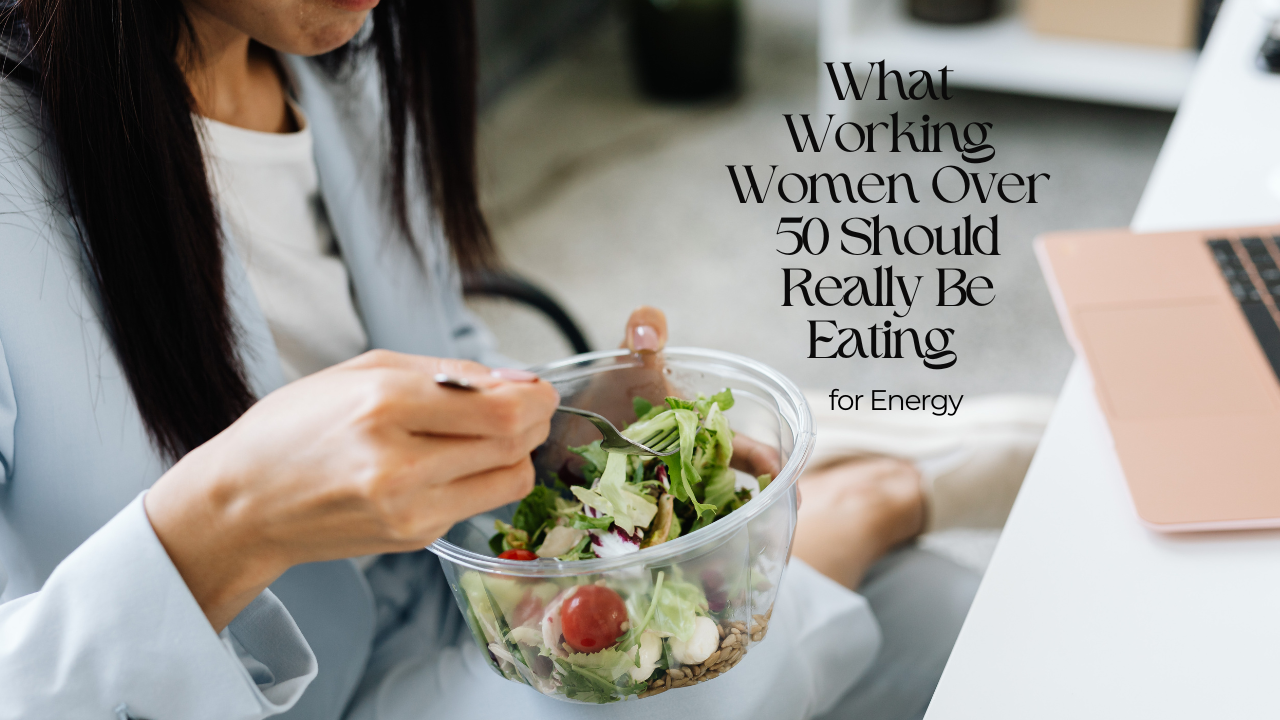
If you are a busy professional woman over 50, you have probably noticed something frustrating.
You eat less than you used to, you skip meals to stay productive and you try to be "good" with food.
Yet by mid afternoon you feel drained, foggy, and reaching for coffee or something sweet.
After menopause, the body’s relationship with food, energy, and metabolism changes. Hormones that once helped regulate appetite, muscle maintenance, and blood sugar begin to shift.
The good news is that small nutrition adjustments can dramatically improve energy, focus, and productivity throughout the workday.
Let’s explore what the science actually says.
Why Eating Less Often Backfires After 50
Many women assume that eating less frequently will help control weight or keep energy stable.
In reality, undereating is one of the most common causes of fatigue in midlife.
When meals are skipped or calories are too low, several things happen:
• Blood sugar drops quickly
• Cortisol rises to compensate
• The body conserves energy
• Cravings increase later in the day
Research shows that women in midlife are particularly sensitive to blood sugar fluctuations due to changes in estrogen levels.
Estrogen plays a role in glucose metabolism and insulin sensitivity. When estrogen declines during menopause, the body becomes more prone to blood sugar swings. This means long gaps between meals often lead to energy crashes.
A better strategy is structured eating.
Instead of grazing constantly or skipping meals, aim for:
• Three balanced meals per day
• One or two strategic snacks if needed
• Protein, fibre, and healthy fats at each meal
This approach helps maintain stable blood glucose levels, which translates to steady energy and clearer thinking.
Why Protein Needs Increase After Menopause
Protein becomes more important with age, not less.
After menopause, the body experiences a natural decline in muscle mass known as sarcopenia. Studies suggest women can lose up to 3 to 8 percent of muscle mass per decade after the age of 40 if protein intake and resistance activity are not maintained.
Muscle is metabolically active tissue. It supports:
• Energy production
• Blood sugar regulation
• Strength and mobility
• Metabolic rate
Protein also plays a key role in satiety and cognitive function.
Research published in journals such as Nutrients and The American Journal of Clinical Nutrition suggests that women over 50 benefit from higher protein intake than previously recommended.
A helpful guideline for midlife women is:
1.2 to 1.6 grams of protein per kilogram of body weight per day
For many women this equates to roughly 80 to 100 grams of protein daily, spread evenly across meals.
Rather than loading protein at dinner, distribute it throughout the day:
Breakfast
• Greek yogurt with berries and nuts
• Eggs with vegetables
• Protein smoothie
Lunch
• Salmon salad with olive oil dressing
• Chicken and quinoa bowl
• Lentil and vegetable soup
Dinner
• Grilled fish or chicken
• Tofu stir fry
• Lean beef with roasted vegetables
Even protein distribution helps support muscle protein synthesis and stable energy.
Stabilising Blood Sugar During Busy Workdays
Energy crashes at 3 pm are rarely random.
They are often the result of blood sugar spikes earlier in the day.
Meals high in refined carbohydrates such as pastries, white bread, or sugary snacks cause glucose to rise quickly. The body responds with insulin to bring blood sugar down.
The result is often a rapid drop a few hours later, leading to fatigue, irritability, and cravings.
To maintain stable energy during demanding workdays, focus on balanced meals that combine three key components.
1. Protein
Protein slows digestion and stabilises blood sugar.
2. Fibre
Vegetables, legumes, and whole grains help regulate glucose absorption.
3. Healthy fats
Foods such as olive oil, avocado, nuts, and seeds extend satiety.
A practical formula for workday meals:
• Half the plate vegetables
• One quarter lean protein
• One quarter fibre rich carbohydrates
For example:
• Chicken, roasted vegetables, and brown rice
• Tuna, mixed greens, chickpeas, olive oil dressing
• Tofu stir fry with vegetables and quinoa
This type of meal supports steady glucose levels and sustained cognitive performance.
Smart Snacks for Long Meetings
Long meetings can stretch for hours, and arriving hungry almost guarantees poor food choices later.
Strategic snacks can prevent energy dips and help maintain focus.
The key is choosing snacks that combine protein and fibre, rather than quick sugar hits.
Here are several science backed options that support sustained energy.
Greek yogurt with berries
Provides protein, calcium, and antioxidants.
Apple with almond butter
Combines fibre and healthy fats to slow glucose release.
Handful of mixed nuts
Rich in magnesium, protein, and healthy fats that support brain function.
Cottage cheese with cucumber or tomatoes
High protein and refreshing during long afternoons.
Protein smoothie
A blend of protein powder, spinach, berries, and milk offers a convenient option between meetings.
Aim for snacks containing 10 to 20 grams of protein for optimal satiety and energy support.
The Midlife Energy Advantage
Nutrition after 50 is not about restriction.
It is about strategic nourishment.
When professional women fuel their bodies with adequate protein, balanced meals, and stabilising snacks, they often notice improvements in:
• Mental clarity
• Workday productivity
• Mood stability
• Physical strength
• Sustainable weight management
The goal is not eating less.
The goal is eating smarter.
Food becomes a tool that supports energy, performance, and long term health.
Stay connected with news and updates.
Join our mailing list to receive the latest news and updates from our team.
Don't worry, your information will not be shared.
We hate SPAM. We will never sell your information, for any reason.