Why Your Energy Feels Different Now And What It’s Really Telling You
Apr 23, 2026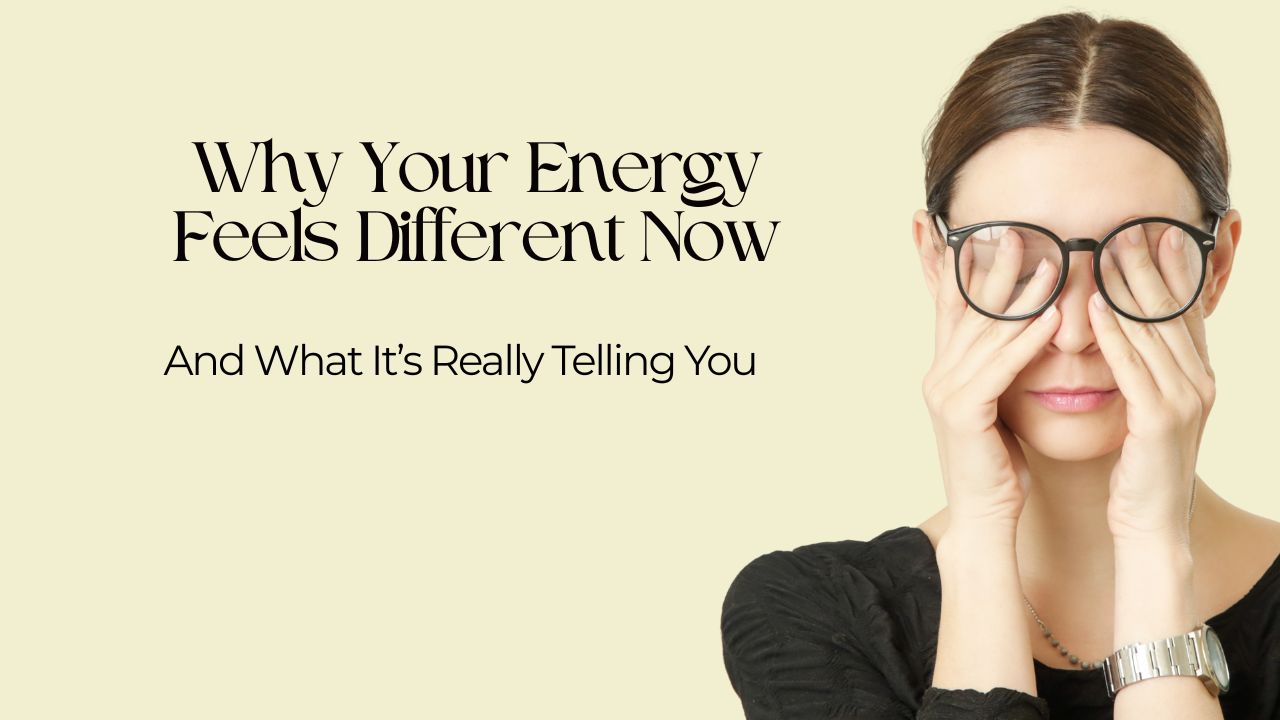
There’s a kind of tiredness that many women over 50 recognise instantly.
It’s not the result of a late night or a busy week. It’s deeper than that. More persistent. Less predictable.
You wake up feeling like you should be refreshed… but you’re not quite there.
By mid afternoon, your energy dips in a way that feels harder to recover from.
And the pace you used to keep so effortlessly now feels like it requires more from you.
It’s easy to dismiss this as “just getting older.”
But your energy is not randomly declining.
It’s communicating.
Your Body Is Not Running On The Same System Anymore
For years, your body was remarkably resilient. It could handle long days, missed meals, stress spikes, and still keep going.
Now, that same approach feels different.
Research from Harvard Health Publishing highlights that energy regulation in midlife is closely tied to hormonal changes, particularly shifts in estrogen, progesterone, and cortisol.
These hormones influence:
- How your body produces energy
- How stable that energy feels throughout the day
- How well you recover after physical or mental effort
As these systems shift, energy becomes less about “how much you do” and more about how well your body is supported.
Blood Sugar Is Playing a Bigger Role Than You Think
One of the most common but overlooked reasons energy feels different is blood sugar instability.
With changes in insulin sensitivity during menopause, your body becomes less efficient at managing glucose. This can lead to:
- Sharp rises and drops in energy
- Cravings, especially in the afternoon
- That familiar “crash” that feels difficult to push through
What used to be a small fluctuation now feels amplified.
And here’s the key point.
Energy dips are often not about needing more caffeine. They are about needing more stable fuel.
Your Muscles Are Quietly Influencing Your Energy
Muscle is not just about strength or appearance. It is deeply connected to how energised you feel.
As muscle mass naturally declines with age, a process known as Sarcopenia, your body becomes less efficient at:
- Using glucose for energy
- Maintaining steady energy levels
- Supporting physical stamina
This is why everyday tasks can begin to feel more tiring, even if your lifestyle hasn’t drastically changed.
It’s not a loss of capability.
It’s a shift in the systems that support your energy.
Stress Is No Longer Something You Can “Push Through”
Many high-performing women are used to functioning under pressure. For years, stress may have even felt motivating.
But in midlife, the body’s relationship with stress changes.
Cortisol, your primary stress hormone, becomes more disruptive when elevated for long periods. It can:
- Drain energy reserves
- Disrupt sleep quality
- Increase feelings of fatigue, even after rest
What once felt manageable now has a more noticeable impact.
This is not a sign of weakness.
It’s a signal that your body is asking for a different rhythm.
Sleep Quality Becomes Non-Negotiable
Even if you are spending the same amount of time in bed, the quality of your sleep may be shifting.
Hormonal changes can affect:
- How deeply you sleep
- How often you wake during the night
- How restored you feel in the morning
This creates a subtle but cumulative effect.
A series of “almost good” nights of sleep can leave you feeling consistently below your best.
Why Pushing Harder Often Makes It Worse
When energy drops, the instinct is often to override it.
More coffee.
More effort.
More pressure to keep up.
But this approach tends to backfire.
Ignoring energy signals can:
- Increase cortisol further
- Worsen fatigue over time
- Disrupt your body’s natural recovery processes
Your body is not asking you to stop.
It’s asking you to adjust.
What Your Energy Is Actually Telling You
This shift in energy is not random. It’s incredibly specific.
It’s pointing you toward what your body now needs more of:
Consistent nourishment
Regular meals with protein, fibre, and healthy fats to stabilise blood sugar.
Strength-based movement
To support muscle, improve energy efficiency, and enhance stamina.
Intentional recovery
Moments in your day that allow your nervous system to reset, not just keep going.
Better sleep support
Creating an environment and routine that prioritises deeper rest.
Stress awareness
Not eliminating stress, but recognising how it affects your energy and responding differently.
The Shift That Changes Everything
When you stop seeing low energy as something to fight and start seeing it as information, everything begins to change.
You become more strategic.
More in tune with your body.
More effective in how you support yourself.
And slowly, something powerful happens.
Your energy becomes steadier.
Your resilience begins to return.
Your confidence in your body grows again.
A Different Kind of Energy
The energy available to you now may not feel the same as it did in your 30s or 40s.
But that doesn’t mean it’s less.
It can become:
- More stable
- More sustainable
- More aligned with how you actually want to feel
This stage of life is not about constantly running on empty and calling it normal.
It’s about understanding the signals your body is giving you and responding in a way that supports you long term.
Because your energy isn’t disappearing.
It’s evolving.
Stay connected with news and updates.
Join our mailing list to receive the latest news and updates from our team.
Don't worry, your information will not be shared.
We hate SPAM. We will never sell your information, for any reason.