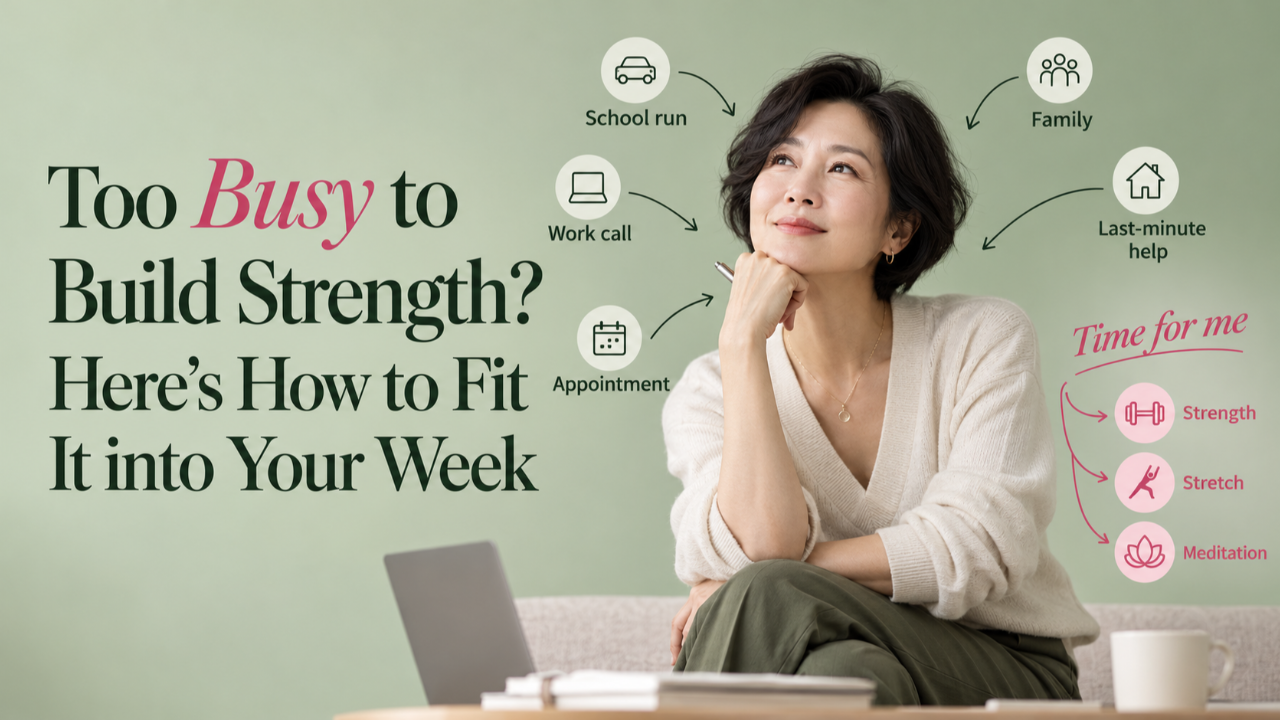
What Harvard Research Reveals About Stress and Weight Gain After 50
losing weight reducing stress tips Apr 25, 2026
There is a pattern many women notice in midlife that doesn’t quite make sense at first. You’re eating reasonably well, staying active when you can, and doing what has always worked for you. And yet, weight begins to gather, often around the middle, in a way that feels resistant and unfamiliar. It can feel frustrating, especially for women who are used to being disciplined and consistent. But what if the missing piece isn’t effort… it’s stress?
In your earlier years, your body had a remarkable ability to buffer stress. Long days, deadlines, and responsibilities could be managed without too much visible impact. After 50, that buffering system changes. Research from Harvard Medical School shows that chronic stress has a more direct influence on metabolism as we age, largely through the hormone cortisol. While cortisol is designed to help you respond to challenges, when it stays elevated for too long, it begins to affect how your body stores fat, uses energy, and regulates appetite.
One of the most noticeable effects is weight gain around the abdomen. This is not random. The midsection is particularly sensitive to cortisol, meaning your body is more likely to store fat there during periods of prolonged stress. At the same time, elevated cortisol can contribute to muscle breakdown and a slower, less responsive metabolism. This is why stress-related weight gain often feels different from anything you’ve experienced before.
Stress also changes how your body uses energy. It can reduce insulin sensitivity, leading to more frequent blood sugar spikes and crashes. You may notice stronger cravings, especially in the afternoon, or feel like your energy dips more sharply than it used to. This creates a cycle where low energy leads to quick fixes, which then lead to further crashes. It’s not about lack of control. It’s about how your body is responding internally.
Sleep plays a significant role in this process too. When stress levels are high, it becomes harder to fall into deep, restorative sleep. You might find yourself waking during the night or feeling unrefreshed in the morning. Over time, this lack of quality sleep increases hunger hormones, reduces satiety, and lowers motivation to move. It quietly reinforces the cycle of weight gain and fatigue.
For many professional women, this is amplified by the demands of daily life. Being capable, driven, and responsible often means carrying a constant mental load. While that strength has served you well, the body in midlife becomes less tolerant of sustained pressure without recovery. What once felt manageable now requires a different approach.
This is where the shift becomes powerful. If stress is influencing weight gain, the solution is not simply to eat less or exercise more. It’s to support your body in a more intelligent way. Creating consistency in your day through regular meals and structured routines helps regulate cortisol. Strength training becomes more valuable than excessive cardio, as it supports muscle and balances hormones. Small moments of recovery, like walking, stretching, or simply pausing, begin to calm your system in ways that pushing harder never could.
Sleep also becomes a foundation rather than an afterthought. Prioritising a consistent bedtime, reducing stimulation in the evening, and creating a calm environment can significantly improve how your body regulates weight and energy. These are not dramatic changes, but they are deeply effective.
What this research reveals is something many women don’t hear often enough. Weight gain after 50 is rarely about a lack of discipline. It is often the result of a body that is under constant pressure without the support it now needs. When stress remains high and recovery is low, the body adapts in ways that prioritise survival, not fat loss.
The opportunity in this stage of life is to respond differently. When you begin to understand the signals your body is giving you and support it accordingly, things begin to shift. Energy becomes steadier, cravings feel more manageable, and your body starts to respond again.
Stress is no longer just something to push through. It is something to understand. And when you do, you give your body the conditions it needs to feel balanced, strong, and supported once again.
Stay connected with news and updates.
Join our mailing list to receive the latest news and updates from our team.
Don't worry, your information will not be shared.
We hate SPAM. We will never sell your information, for any reason.

A soulful, nurturing retreat experience for women, what might change if you gave yourself four days?
At the REVIVAL retreat, you can step away from the demands of everyday life and make space for yourself. We will walk through the Peak District, enjoy gentle yoga and guided meditation, and share gratitude sessions and fireside chats.
Personality profiling and habit transformation sessions will give you time to reflect on where you are now and what you would like to take home with you. Come as you are, alongside a small group of women who have made this time for themselves too.
21–24 June 2027 | Just 10 places
Registration opens soon.
Support Your Body
40 plus body reset anti inflammatory food balance balance hormones balancing hormones beginners strength training bloating blood sugar blood sugar balance body confidence bone density health bone health after 50 brain fog brain help breakfast recipes breathwork building resilience core exercises creating space in midlife detox detox your body diabetic management digestion easter recipes emotional balance emotional eating energy evening routines exercise for women exercise recovery in midlife fatigue tips fibre for midlife fitness transformation fixing energy in midlife flexibility fuel guided walking uk gut health health accountability health goals health strategy healthy healthy ageing healthy foods healthy recipes heart health hormonal hormonal balance hormone balance hormone balancing breakfast hormone health hormones hot flashes hydration insulin and midlife january detox joint health joint pain lifestyle foods losing muscle through ageing losing weight low impact cardio making time meal prep meditation meditation tips menopase wellness menopause menopause and digestion menopause exercise menopause fatigue menopause moods menopause nutrition menopause supplements menopause support menopause support for career women menopause symptoms menopause wellness menopause workout mental health for menopause and perimenopause mental health wellness metabolism midlife midlife boundaries midlife energy midlife health & well being midlife reflection midlife reset midlife weight gain midlife wellness milestones mindfulness mindset mobility morning routine morning routine for midlife movement movement and mobility muscle strength nature nutrition nutrition and healthy eating nutrition for busy women nutrition for menopause nutrition mistakes made nutriton nutritonal snacks outdoor perimenopause perimenopause nutrition perimenopause support perimenopause symptoms perimenopause wellness perimenopause yoga post menopause support protein reducing cancer risk reducing stress tips reflection for busy women resistance band training retreats 2026 self care self care for professional women self care tips set boundaries sleep sleep and menopause sleep and perimenopause sleep tips spring detox strength and movement strength training strength training for women 50 plus stretching stretching routines the 30 day detox challenge for midlife women the desk job body tracking fitness vitamins walking weight gain weight loss weight training for women wellness wellness habits womens wellness freedom yin yoga yoga yoga and menopause yoga routine yoga routines yoga stretch