The Top 7 Nutrients Every Woman Over 40 Should Focus On
Nov 08, 2025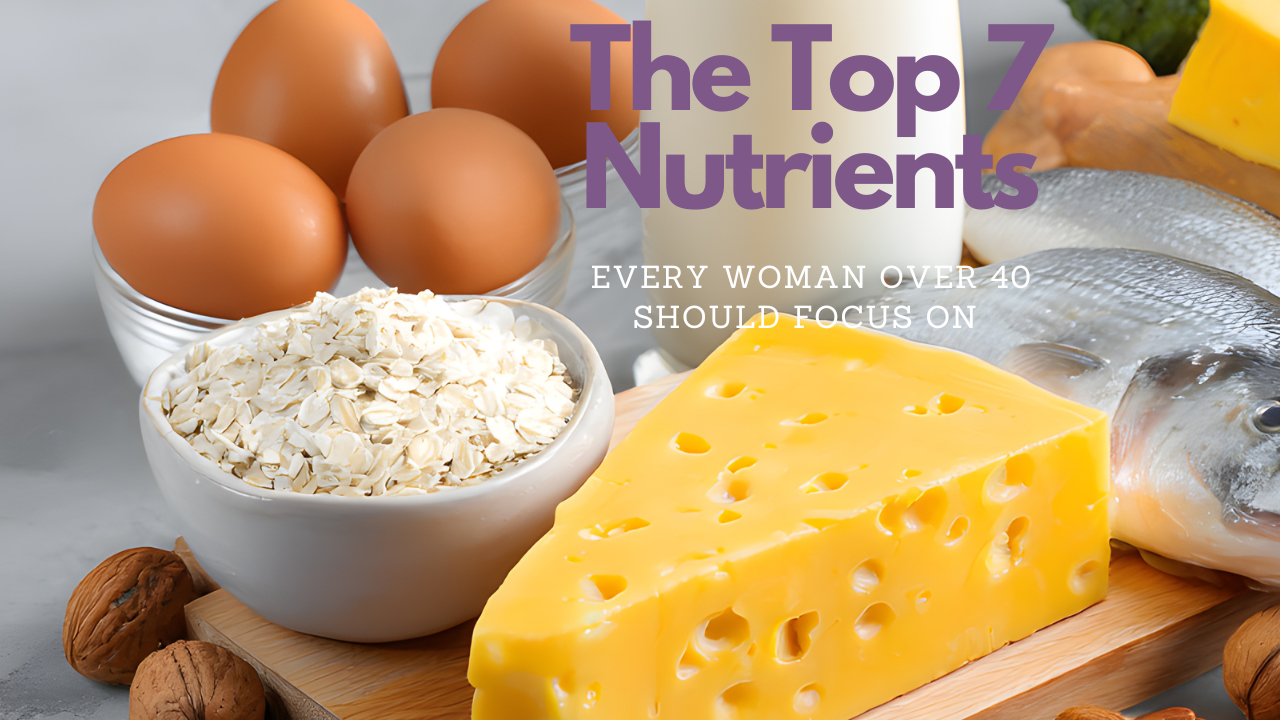
As women move through their 40s, 50s, and beyond, the body begins to change in remarkable ways. Hormones fluctuate, muscle tone and metabolism shift, and the foods that once worked perfectly may now leave you feeling sluggish, bloated, or out of sync. It’s not your fault. Your body is simply asking for a different kind of nourishment.
Nutrition in midlife is about more than calories. It’s about fueling your body with the essential nutrients that help you balance hormones, maintain muscle, strengthen bones, and stabilize your energy. These seven nutrients form the foundation for thriving through perimenopause, menopause, and post-menopause.
Let’s explore them one by one.
1. Protein
Protein is the powerhouse nutrient for women over 40. As estrogen begins to decline, muscle mass decreases, which affects metabolism, strength, and body composition. Eating enough protein supports lean muscle maintenance, balances blood sugar, and keeps you feeling full longer, which helps manage weight and cravings.
Research shows that protein also helps regulate hormones like insulin and glucagon, which influence energy balance and fat storage.
Where to find it: Chicken, fish, turkey, tofu, Greek yogurt, eggs, lentils, tempeh, cottage cheese, and high-quality protein powders.
Pro tip: Aim for around 25 to 30 grams of protein per meal. Add protein powder to your morning smoothie or swap cereal for Greek yogurt topped with seeds and berries.
2. Calcium
Bone density begins to decline around menopause as estrogen levels drop, increasing the risk of fractures and osteoporosis. Calcium is crucial for bone strength, muscle function, and nerve communication. It also plays a role in hormone secretion and maintaining a steady heartbeat.
Where to find it: Dairy products like milk, yogurt, and cheese; fortified plant-based milks; leafy greens such as kale and bok choy; sesame seeds; and sardines with bones.
Pro tip: To help your body absorb calcium efficiently, pair it with vitamin D and magnesium-rich foods. A smoothie with spinach, fortified almond milk, and chia seeds works beautifully.
3. Vitamin D
Vitamin D, often called the sunshine vitamin, works with calcium to keep your bones strong. It also supports your immune system, mood, and even sleep quality. Low levels of vitamin D are common in women over 40 and can lead to fatigue, low mood, and slower recovery after exercise.
Where to find it: Sunlight, salmon, tuna, mackerel, egg yolks, and fortified foods.
Pro tip: If you live in a cloudy region or spend most of your time indoors, get your vitamin D levels tested. A supplement may be needed, especially during winter.
4. Magnesium
Magnesium is a quiet multitasker that supports hundreds of functions in the body. It helps regulate stress hormones, relax muscles, and promote quality sleep, all of which can become more challenging during menopause. It also supports digestion and heart health.
A lack of magnesium can contribute to restless legs, muscle cramps, poor sleep, and increased anxiety or irritability.
Where to find it: Pumpkin seeds, almonds, avocados, spinach, dark chocolate, quinoa, and whole grains.
Pro tip: Try magnesium before bed to improve sleep quality and reduce muscle tension. Magnesium glycinate and citrate are both highly absorbable forms.
5. Omega-3 Fatty Acids
Omega-3s are essential fats that reduce inflammation, improve brain function, and support heart health. They can also help with hot flashes and mood swings by supporting hormone balance. These healthy fats are key to keeping your skin supple and joints flexible.
Where to find it: Salmon, sardines, anchovies, chia seeds, flaxseeds, hemp seeds, and walnuts.
Pro tip: If you don’t eat much oily fish, consider a high-quality omega-3 supplement. Adding a tablespoon of ground flaxseed to your breakfast bowl or salad dressing is an easy way to boost intake.
6. B Vitamins (Especially B6, B12, and Folate)
B vitamins are essential for energy production, mood balance, and brain health. They help convert food into fuel and support your nervous system, which becomes even more important as estrogen declines. Low levels of B vitamins can cause fatigue, low mood, and brain fog.
Where to find it: Eggs, leafy greens, poultry, salmon, legumes, and fortified grains.
Pro tip: If you follow a vegetarian or vegan diet, consider supplementing B12 since it’s mostly found in animal products. A B-complex supplement can help maintain steady energy and emotional balance.
7. Iron
Iron plays a crucial role in transporting oxygen through your blood and supporting energy and focus. During perimenopause, heavy or irregular periods can lead to low iron levels, causing fatigue and poor concentration. After menopause, iron needs may decrease, so it’s important to find the right balance for you.
Where to find it: Lean red meat, spinach, lentils, beans, and fortified cereals.
Pro tip: Pair plant-based sources of iron with vitamin C-rich foods such as bell peppers or oranges to enhance absorption.
The Big Picture
It’s not just about eating more nutrients. It’s about how well your body absorbs them. Gut health, hydration, and stress all influence nutrient uptake. Focus on whole, unprocessed foods, eat slowly, and stay hydrated throughout the day.
Here’s a simple approach to balanced eating:
-
Fill half your plate with colorful vegetables
-
Add a palm-sized portion of protein
-
Include healthy fats like olive oil or avocado
-
Choose complex carbs such as quinoa, sweet potato, or brown rice
Small steps matter. You don’t have to overhaul your diet all at once. Focus on one or two nutrients each week and build from there.
The Bottom Line
Perimenopause and menopause are not about losing control of your body. They are about learning to nourish it in a new way. These seven nutrients can reduce symptoms, steady your energy, and help you stay strong and confident through every season.
When you give your body what it truly needs, you’ll feel the difference. Better focus, deeper sleep, calmer moods, and lasting vitality. Thriving in midlife isn’t about restriction or perfection. It’s about restoration, balance, and listening to what your body has been asking for all along.
Stay connected with news and updates.
Join our mailing list to receive the latest news and updates from our team.
Don't worry, your information will not be shared.
We hate SPAM. We will never sell your information, for any reason.