Yoga for a Calm Mind Before Bedtime
Dec 13, 2025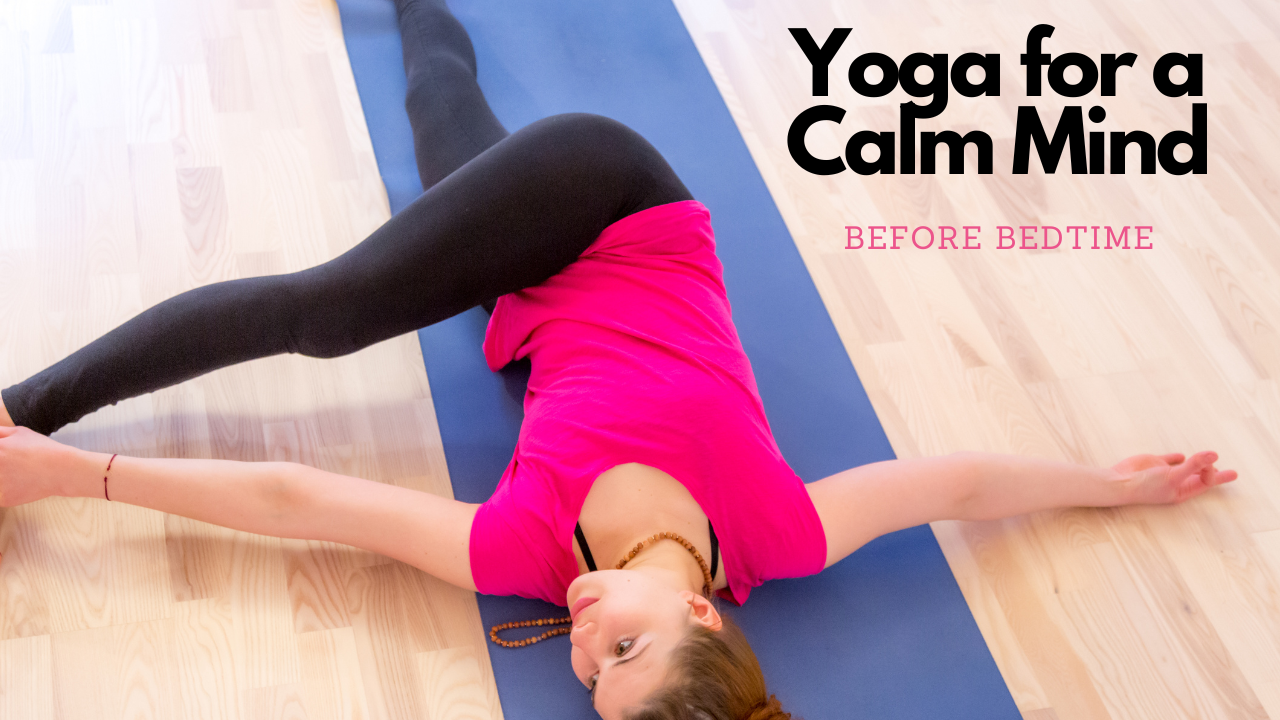
If your body is tired but your mind refuses to slow down, you are not alone. For many women in midlife, bedtime is when thoughts get louder. Hormones are shifting, sleep feels lighter, and suddenly your brain wants to replay the day or plan tomorrow.
The good news is that you do not need a long routine or perfect flexibility to calm your nervous system. A few intentional yoga movements paired with breath can signal safety to the body and gently guide the mind toward rest.
This is yoga for winding down, not working out.
Why yoga works so well before bed
Gentle yoga activates the parasympathetic nervous system, also known as the rest and restore state. This helps lower cortisol, slow the heart rate, and soften muscle tension that builds up during the day.
In midlife, this matters even more. When estrogen and progesterone fluctuate, the body can stay stuck in a low level stress response. Slow evening yoga helps close the stress loop so sleep comes more easily.
The golden rule for bedtime yoga
If it feels like effort, it is too much.
Bedtime yoga should feel comforting, almost boring. The goal is not stretching deeper but letting go.
A simple 10 minute calm mind sequence
You can do this on your mat, carpet, or even in bed.
1. Seated breathing with hands on belly and chest
Sit comfortably and place one hand on your belly and one on your chest. Breathe slowly through your nose.
Inhale for a count of four
Exhale for a count of six
Longer exhales tell your nervous system that it is safe to relax. Stay here for one to two minutes.
2. Cat and cow done slowly
Come onto hands and knees. As you inhale, gently lift the chest and tailbone. As you exhale, round the spine and drop the head.
Move at half the speed you think you should. Let the breath lead the movement. This helps release tension stored along the spine where stress often lives.
Repeat for one to two minutes.
3. Child’s pose with forehead support
Lower your hips back toward your heels and rest your forehead on the mat, a pillow, or folded blanket.
Forehead pressure is deeply calming for the brain. If your hips feel tight, place a cushion between your thighs and calves.
Stay here for two minutes, breathing slowly.
4. Supine twist
Lie on your back, hug your knees in, then let them drop gently to one side. Extend your arms out wide if comfortable.
Twists help release physical tension and signal the body that it is time to unwind digestion and thought patterns.
Hold for one minute each side.
5. Legs up the wall or supported legs up
Lift your legs up the wall or rest them on a chair or cushions.
This position reduces swelling, supports circulation, and creates a powerful calming effect without effort.
Stay for two to three minutes, breathing quietly.
6. Final rest with a calming cue
Lie flat, cover yourself with a blanket, and place one hand on your heart.
Silently repeat a calming phrase such as
I am safe to rest
or
Nothing else is required right now
This gives the mind something gentle to focus on instead of drifting into worry.
Small habits that make this practice work better
Dim the lights before you start
Breathe through your nose if possible
Avoid checking your phone immediately after
Keep the practice short and repeatable
Consistency matters more than length. Even five minutes done regularly can shift your sleep quality over time.
If sleep still feels elusive
Yoga before bed is not about forcing sleep. It is about creating the right internal conditions so sleep can happen naturally.
For many midlife women, combining gentle evening movement with daytime strength training, balanced meals, and stress awareness is what truly restores sleep.
Think of bedtime yoga as the final signal to your body that the day is complete.
Your only job now is to rest.
Stay connected with news and updates.
Join our mailing list to receive the latest news and updates from our team.
Don't worry, your information will not be shared.
We hate SPAM. We will never sell your information, for any reason.