Yoga Flows for Menopause Mood Swings
Nov 09, 2025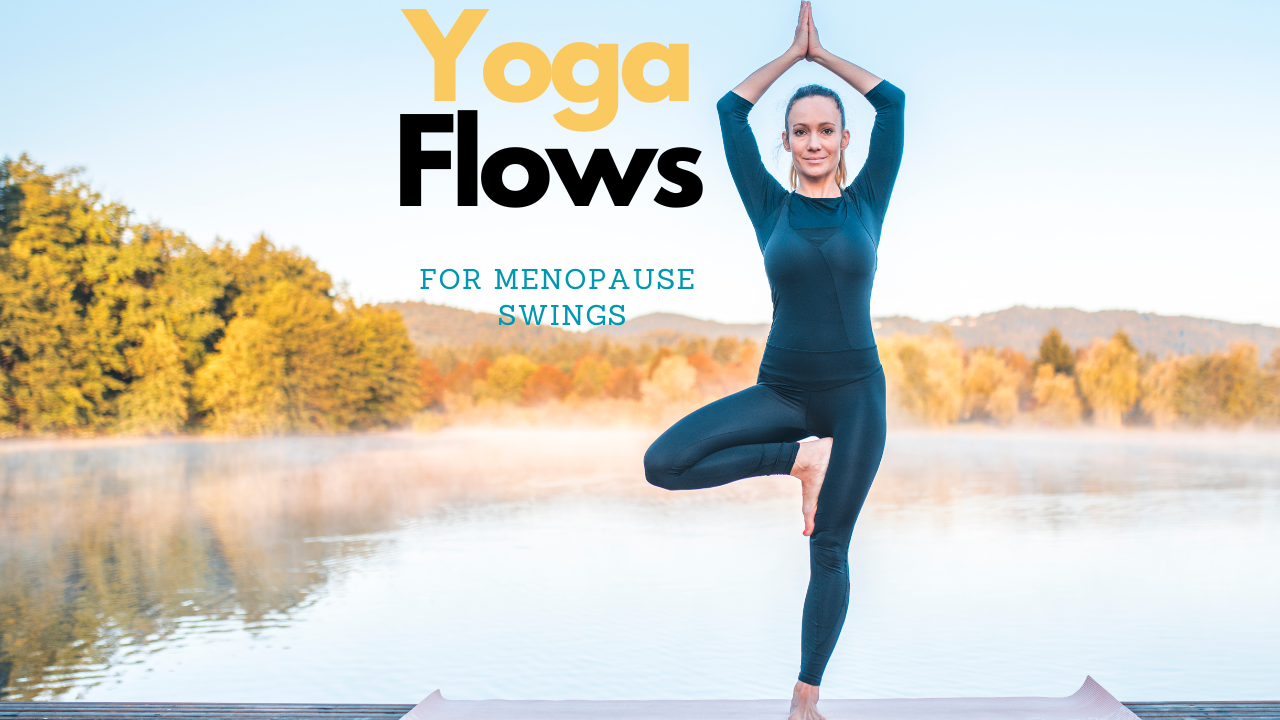
If you are navigating perimenopause, menopause, or post-menopause and finding your emotions all over the place, you are far from alone. One minute you feel fine, and the next, frustration, sadness, or anxiety seem to take over. These mood shifts are not “just in your head.” They are deeply connected to hormonal changes, sleep disruption, and the stress response that becomes more sensitive during this time of life.
Yoga can be one of the most effective natural ways to steady those emotional waves. Not just stretching, but specific yoga flows that calm the nervous system, balance hormones, and improve mood through mindful movement and breath. Let’s explore the science behind it and how to create a flow that genuinely helps you feel more grounded and balanced.
The Science Behind Mood Swings in Menopause
During perimenopause and menopause, levels of estrogen and progesterone fluctuate and eventually decline. These hormones influence neurotransmitters such as serotonin, dopamine, and GABA, which affect mood, motivation, and relaxation. As they shift, it can feel like your emotions are on a rollercoaster.
Research shows that women in midlife are more prone to anxiety, irritability, and depressive symptoms due to these hormonal changes, as well as disrupted sleep and increased cortisol (the stress hormone). Studies have also found that yoga helps regulate these same pathways.
-
A meta-analysis in the Menopause Journal found that mind-body exercises like yoga significantly reduced anxiety and depression in midlife women.
-
A study published in Maturitas found that yoga improved sleep and mood symptoms in postmenopausal women.
-
Yoga is also known to lower cortisol levels, calm the nervous system, and increase parasympathetic activity, which supports emotional balance.
In short, yoga doesn’t just help you stretch; it helps you self-regulate.
How Yoga Helps
Yoga affects mood through three key systems:
-
Hormonal Regulation: Gentle inversions, twists, and hip openers stimulate the endocrine glands, which support hormone balance.
-
Nervous System Regulation: Slow, rhythmic movement combined with deep breathing activates the parasympathetic system, shifting you out of stress mode.
-
Mindfulness and Presence: Focusing on your breath and body reduces racing thoughts and improves emotional awareness.
When practiced regularly, yoga can restore a sense of calm and stability, helping you respond rather than react to mood shifts.
The Mood-Stabilizing Yoga Flow
This 25-minute flow can help soothe emotional turbulence, lower cortisol, and restore a sense of peace. You can do it first thing in the morning to set the tone for your day, or in the evening to unwind.
Warm-Up (5 minutes)
Begin seated with your hands resting on your thighs. Close your eyes and take five slow, deep breaths. Inhale through the nose and exhale through the mouth. Notice where you are holding tension.
Move into Seated Cat-Cow. On your inhale, arch your spine and lift your chest. On the exhale, round your spine and draw your chin in. Repeat for five rounds.
Finish with gentle seated side stretches, breathing into the ribcage to release tension.
Main Flow (15 minutes)
-
Mountain Pose (Tadasana): Stand tall with feet grounded. Feel your connection to the earth as you breathe deeply.
-
Goddess Pose (Utkata Konasana): Step your feet wide, turn your toes slightly out, and bend your knees. Bring your arms to cactus position. Hold for five breaths. This pose grounds you and opens the hips, releasing emotional tension.
-
Low Lunge (Anjaneyasana): Step one foot forward, lower your back knee, and reach your arms overhead. Take five steady breaths. Switch sides. This pose releases tight hips, which are often linked to stored stress and emotion.
-
Cobra Pose (Bhujangasana): Lie on your stomach, hands under shoulders, and lift your chest gently as you inhale. Keep the shoulders relaxed. This heart-opener helps lift mood and counteracts fatigue.
-
Tree Pose (Vrksasana): Stand on one leg, place your opposite foot on your calf or inner thigh, and bring your hands to prayer. Focus your gaze on one spot and take five breaths. Balance poses build both physical and emotional steadiness.
-
Half Camel Pose (Ardha Ustrasana): Kneel and place your hands on your lower back. Lift your chest and open your heart. Hold for three breaths, then release slowly.
Cool Down (5 minutes)
-
Child’s Pose (Balasana): Kneel and fold forward, resting your forehead on the mat. Breathe deeply, allowing your body to soften with each exhale.
-
Legs Up the Wall (Viparita Karani): Lie down with your legs resting against the wall. Close your eyes and stay for three to five minutes. This gentle inversion soothes the nervous system and reduces anxiety.
-
Final Relaxation (Savasana): Lie flat, arms relaxed, eyes closed. Take a few minutes to let your body fully release and integrate the calm you’ve cultivated.
Building a Practice That Works
To see results, consistency matters more than perfection. Aim for 3 to 4 yoga sessions each week. You can alternate between short morning flows that energize you and evening sessions focused on calming the mind before bed.
-
Keep your breath slow and steady throughout the practice.
-
Don’t push or strain; gentleness is key for hormonal balance.
-
If emotions arise during practice, allow them to move through without judgment. This is part of the healing process.
-
Pair your yoga practice with good sleep, protein-rich meals, hydration, and self-compassion.
Over time, you may notice that your moods even out, your patience grows, and your ability to relax deepens.
The Takeaway
Mood swings during menopause are real and often challenging, but they are not permanent. With yoga, you can help your body find equilibrium again. Science shows that regular yoga practice can lower stress hormones, improve sleep, and enhance mood by balancing both the body and mind.
This isn’t about pushing yourself harder. It’s about slowing down, tuning in, and letting movement become medicine. When practiced with intention, yoga becomes more than exercise. It becomes emotional regulation, self-care, and peace in motion.
Stay connected with news and updates.
Join our mailing list to receive the latest news and updates from our team.
Don't worry, your information will not be shared.
We hate SPAM. We will never sell your information, for any reason.