The Mood Balancing Foods Every Midlife Women Should Try
Feb 04, 2026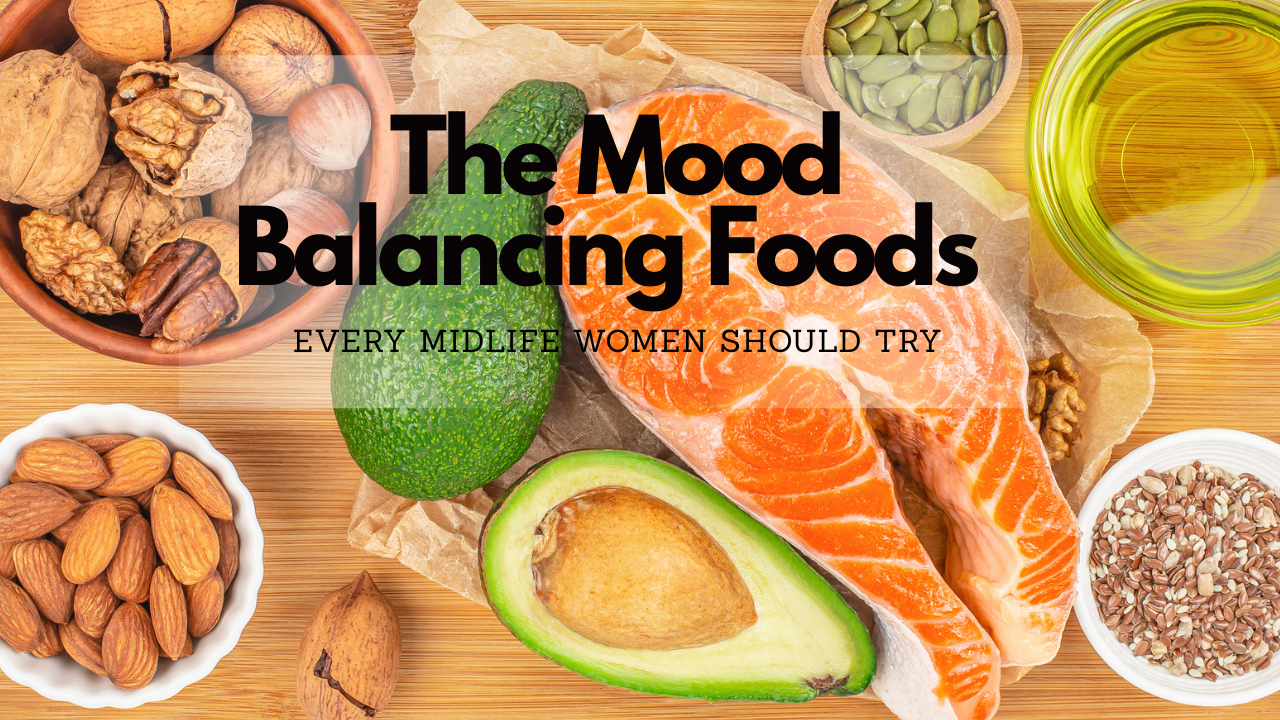
A practical, science led guide for steadier moods after forty
Mood changes in midlife can feel unsettling.
One day you feel like yourself. The next you feel flat, irritable, anxious, or unexpectedly emotional. For many women in perimenopause and menopause, mood swings arrive without warning and linger longer than they used to.
This is not a personality change.
It is a biochemical one.
Hormonal shifts affect neurotransmitters like serotonin, dopamine, and GABA, all of which influence mood, calmness, motivation, and emotional resilience.
Food cannot fix everything.
But the right foods can make mood regulation far easier.
Why mood feels more fragile in midlife
Estrogen supports serotonin production and sensitivity. As estrogen fluctuates and declines, serotonin signalling becomes less stable.
At the same time:
• Blood sugar swings become more common
• Cortisol rises more easily
• Sleep quality often declines
• Nutrient needs increase
Mood is not just emotional.
It is metabolic, hormonal, and neurological.
This is where food becomes powerful support.
The mood balancing foods your body actually needs
Protein at every meal
Protein provides amino acids that build mood regulating neurotransmitters.
Without enough protein, the brain struggles to maintain emotional balance.
Helpful options include:
• Eggs
• Greek yogurt
• Chicken or turkey
• Fish
• Lentils and beans
• Tofu or tempeh
Aim to include protein at breakfast, not just later in the day. Morning protein helps stabilise mood all day.
Omega three rich foods
Omega three fats support brain health, reduce inflammation, and improve serotonin function.
Low omega three intake has been linked to low mood and anxiety.
Mood supportive choices include:
• Salmon
• Sardines
• Mackerel
• Walnuts
• Chia seeds
• Flaxseed
Two servings of oily fish per week can make a noticeable difference over time.
Complex carbohydrates for serotonin support
Carbohydrates help tryptophan cross into the brain, which supports serotonin production.
In midlife, very low carb eating can worsen mood for some women.
Choose carbohydrates that digest slowly:
• Oats
• Quinoa
• Brown rice
• Sweet potatoes
• Beans
• Root vegetables
These support mood without causing sharp blood sugar crashes.
Magnesium rich foods for calm
Magnesium plays a role in nervous system regulation, sleep quality, and stress response.
Many midlife women are low in magnesium.
Include foods such as:
• Leafy greens
• Pumpkin seeds
• Almonds
• Cashews
• Dark chocolate
• Avocado
Magnesium supports relaxation and emotional steadiness.
Fermented foods for gut brain support
The gut and brain are deeply connected. Gut bacteria influence neurotransmitter production and inflammation levels.
Fermented foods support a healthier gut environment.
Try adding:
• Yogurt with live cultures
• Kefir
• Sauerkraut
• Kimchi
• Miso
Start slowly and build up to avoid digestive discomfort.
Colourful plants for emotional resilience
Antioxidants protect brain cells and reduce inflammation linked to low mood.
Aim for colour variety:
• Berries
• Red peppers
• Beetroot
• Spinach
• Broccoli
• Courgette
Think colour across the week rather than perfection every day.
Foods that can worsen mood swings
This is not about restriction, but awareness.
Some foods can amplify mood instability in midlife:
• Skipping meals
• Large sugar hits without protein
• Excess caffeine
• Alcohol close to bedtime
These can increase anxiety, irritability, and low mood by disrupting blood sugar and sleep.
How to use food gently, not perfectly
Mood balance does not require a perfect diet.
It comes from patterns.
Try this approach:
• Eat regularly
• Include protein every time
• Add healthy fats daily
• Choose slow carbohydrates
• Prioritise nourishment over control
Mood improves when the body feels safe and fuelled.
A compassionate midlife reminder
If your mood feels unpredictable, it is not a failure of mindset.
Your body is navigating change.
Food is one of the most practical ways to support yourself through this transition. Not by chasing happiness, but by creating stability.
Steady blood sugar.
Supported neurotransmitters.
A calmer nervous system.
That is the foundation of emotional balance in midlife.
Stay connected with news and updates.
Join our mailing list to receive the latest news and updates from our team.
Don't worry, your information will not be shared.
We hate SPAM. We will never sell your information, for any reason.