Strength Training for Posture: Stand Taller in Midlife
Dec 19, 2025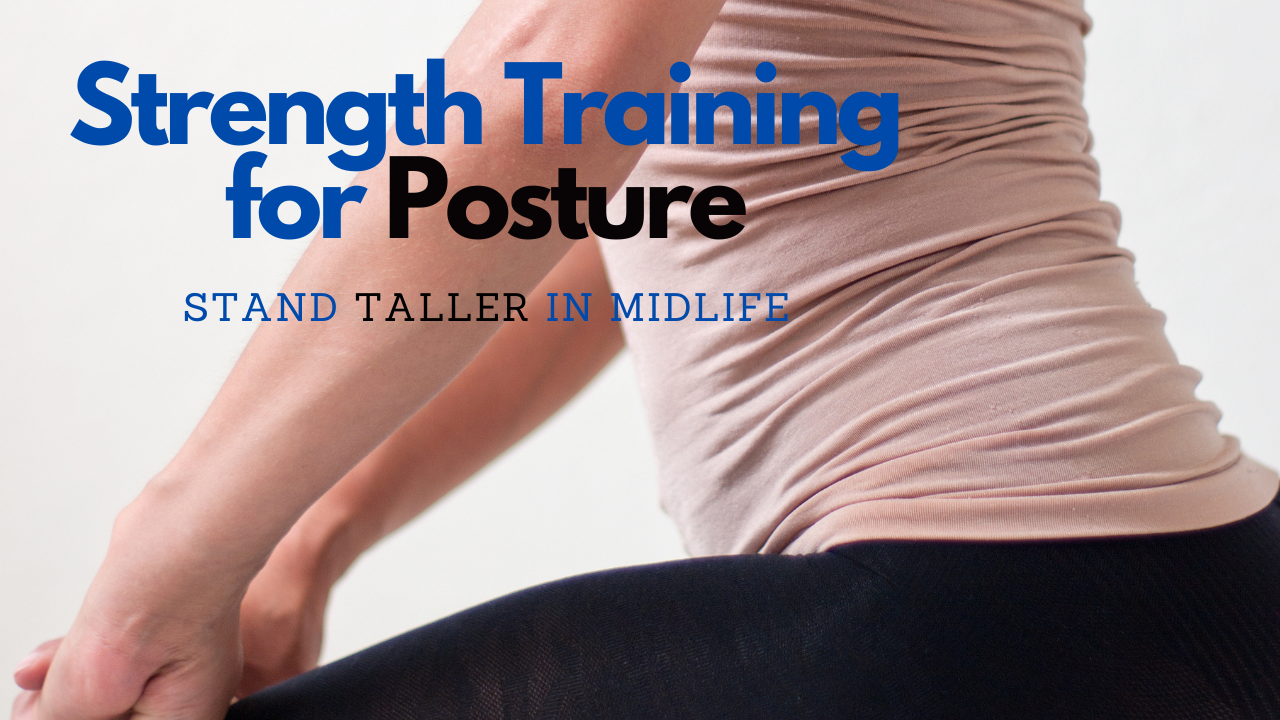
If you feel shorter than you used to, catch yourself rounding your shoulders or notice tension building in your neck and upper back, you are not alone.
Posture changes are incredibly common in midlife, especially for women navigating hormonal shifts, desk based work, caregiving roles and years of putting themselves last.
The good news is this. Poor posture is not a permanent part of ageing.
With the right kind of strength training, you can stand taller, feel more open and move with greater ease and confidence.
Why Posture Changes in Midlife
Posture is not just about how you stand. It is a reflection of muscle balance, joint health and nervous system support.
In midlife, several factors contribute to postural changes
• Loss of muscle mass in the upper back and glutes
• Declining estrogen affecting muscle tone and connective tissue
• Increased time spent sitting
• Stress and fatigue pulling the body forward
• Reduced core and hip stability
Over time, this can lead to rounded shoulders, forward head posture, a tight chest and a weak upper back.
Why Strength Training Is the Missing Piece
Stretching alone will not fix posture.
Posture improves when weak muscles are strengthened, not just when tight muscles are stretched.
Strength training helps by
• Rebuilding postural muscles that hold you upright
• Improving spinal stability
• Supporting bone density
• Increasing body awareness
• Reducing pain and tension
When your muscles can support you, standing tall feels natural rather than forced.
The Key Muscles That Support Good Posture
To improve posture in midlife, strength training should focus on a few essential areas.
Upper back muscles
These muscles pull the shoulders back and support the spine. When weak, the chest collapses forward.
Core muscles
A strong core supports the spine from the inside out. This includes deep abdominal muscles, not just surface ones.
Glutes and hips
Weak glutes allow the pelvis to tilt forward, which affects the entire spine and creates lower back strain.
Neck stabilisers
Small muscles at the back of the neck support head position and reduce strain from screen use.
When these areas are strong and coordinated, posture improves naturally.
Strength Training That Supports Posture Not Bulk
Many women worry that strength training will make them bulky or stiff.
In reality, posture focused strength training is about control, alignment and balance.
Effective movements include
• Rows and pulling movements
• Chest opening strength exercises
• Deadlift style movements with light to moderate load
• Squats and sit to stand patterns
• Core stability exercises
• Slow controlled bodyweight work
These movements train the body to hold itself upright in daily life, not just during workouts.
How Posture Affects Energy and Confidence
Standing taller is not just physical.
Posture influences breathing, circulation and even mood.
Improved posture can lead to
• Deeper breathing
• Less neck and shoulder pain
• Reduced headaches
• Better balance
• Increased confidence and presence
Many women report feeling more energised and self assured simply by strengthening the muscles that support alignment.
Everyday Habits Matter Too
Strength training works best when supported by small daily habits.
Helpful practices include
• Standing up regularly during the day
• Adjusting screen height to eye level
• Carrying bags evenly
• Walking with awareness of head and shoulder position
• Practising gentle mobility and stretching alongside strength work
These habits reinforce the work you do in training.
How Often Should You Train for Better Posture
You do not need daily workouts.
Two to three strength sessions per week focused on posture supporting muscles is enough to see change.
Consistency matters more than intensity.
Even short sessions done regularly can improve how you stand, sit and move.
Posture Is Not About Perfection
Good posture is not about holding yourself rigid or forcing your shoulders back all day.
It is about creating strength so your body supports you with ease.
In midlife, posture becomes a form of self care.
Standing taller is a sign that your body feels supported, strong and capable.
Final Thought
Midlife does not have to mean shrinking, hunching or feeling closed in.
With the right strength training, you can reclaim height, openness and confidence.
Posture is strength in action.
And when you stand taller, everything else begins to feel lighter too.
Stay connected with news and updates.
Join our mailing list to receive the latest news and updates from our team.
Don't worry, your information will not be shared.
We hate SPAM. We will never sell your information, for any reason.