How to Build a Hormone Friendly Plate Daily
Jan 12, 2026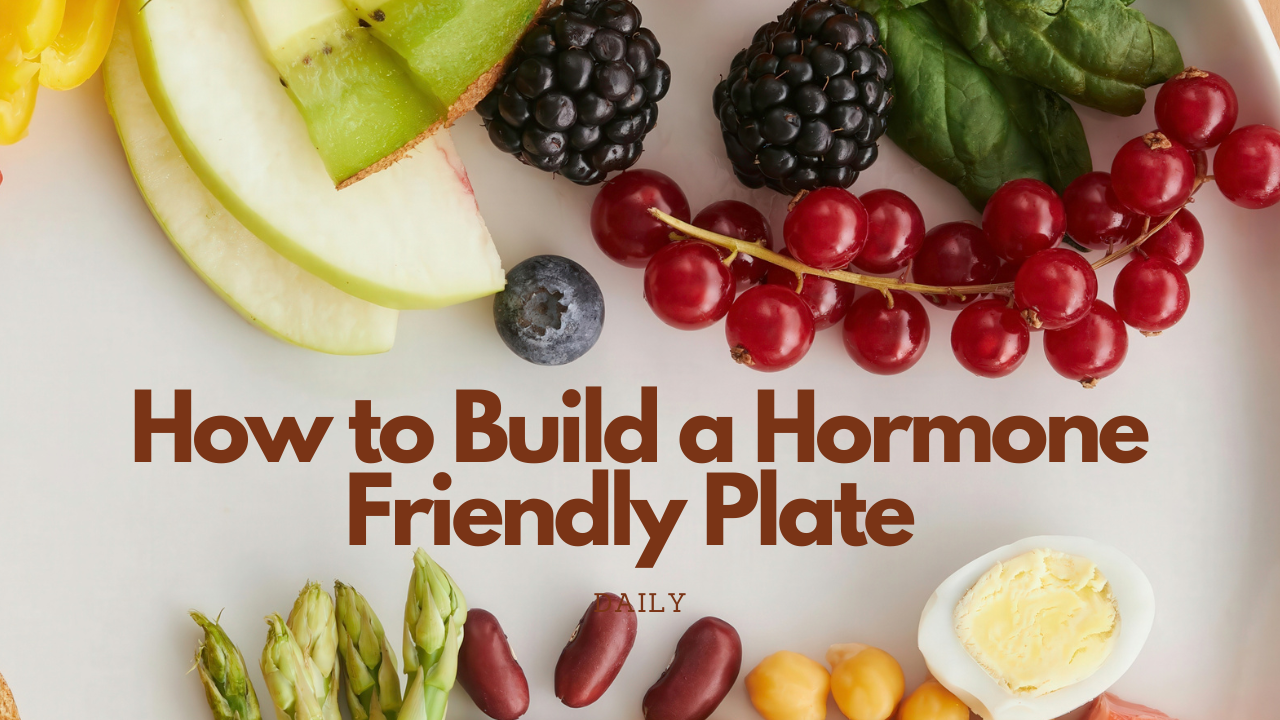
If you’re in perimenopause, menopause, or post-menopause, food can feel confusing.
One day carbs are the enemy. The next day you’re told to eat more of them. Protein is essential, but how much? Fat helps hormones, but which kind? Meanwhile, your energy dips, your sleep is unpredictable, and your body seems to react differently to foods it once handled just fine.
Here’s the good news: building a hormone-friendly plate doesn’t require perfection, tracking apps, or cutting out entire food groups.
It comes down to balance, blood sugar stability, and nourishment. Daily. Meal by meal.
Let’s break it down in a practical, science-based way.
Why midlife hormones respond differently to food
During midlife, fluctuating oestrogen and progesterone affect:
-
Blood sugar regulation
-
Insulin sensitivity
-
Cortisol (your stress hormone)
-
Appetite and fullness signals
This is why skipping meals, eating too lightly, or relying on refined carbs can suddenly trigger:
-
Energy crashes
-
Anxiety or shakiness
-
Poor sleep
-
Increased fat storage, especially around the middle
A hormone-friendly plate works with your physiology, not against it.
The foundation: stabilise blood sugar first
Blood sugar stability is one of the most powerful tools for hormone balance.
When blood sugar swings sharply up and down, cortisol rises to compensate. Chronically elevated cortisol worsens hot flushes, sleep disruption, belly fat, and mood changes.
Your plate should slow digestion, steady glucose release, and keep you satisfied for hours.
That’s where structure matters.
The hormone-friendly plate formula
Aim to include all four components most of the time. Not perfectly. Just consistently.
1. Protein: the non-negotiable
Protein is essential for:
-
Muscle preservation (which naturally declines in midlife)
-
Stable blood sugar
-
Neurotransmitter production (mood and focus)
-
Appetite regulation
What this looks like on your plate:
-
Eggs, Greek yoghurt, cottage cheese
-
Fish, chicken, turkey, lean meat
-
Tofu, tempeh, lentils, beans
Guideline: a palm-sized portion per meal is a good starting point.
If you’re tired, hungry soon after eating, or craving sugar, protein is often the missing piece.
2. Fibre-rich carbohydrates: hormone helpers, not enemies
Carbohydrates support thyroid function, serotonin production, and sleep. The key is choosing slow-release, fibre-rich sources.
Fibre also helps with:
-
Oestrogen metabolism in the gut
-
Cholesterol balance
-
Gut health and regularity
Hormone-friendly choices include:
-
Vegetables of all kinds
-
Berries and whole fruit
-
Oats, quinoa, brown rice
-
Sweet potatoes, lentils
Guideline: fill around a quarter to a third of your plate with these.
Carbs are not the problem. Refined, low-fibre carbs eaten alone often are.
3. Healthy fats: essential for hormone production
Hormones are built from fat. Low-fat diets often backfire in midlife.
Healthy fats help:
-
Reduce inflammation
-
Support brain health
-
Improve satiety and blood sugar control
Add fats such as:
-
Olive oil
-
Avocado
-
Nuts and seeds
-
Oily fish
You don’t need large amounts. A drizzle, a sprinkle, or a small portion is enough.
4. Colour and micronutrients: the quiet regulators
Vitamins, minerals, and antioxidants support hormone detoxification, adrenal health, and immune function.
Different colours signal different benefits:
-
Leafy greens support liver detox pathways
-
Orange and red vegetables support immune and skin health
-
Cruciferous vegetables help with oestrogen metabolism
Think variety over volume. The goal is diversity, not giant salads.
What a hormone-friendly plate actually looks like
This isn’t a diet. It’s a framework.
A plate might look like:
-
Grilled salmon, roasted vegetables, quinoa, olive oil drizzle
-
Eggs, sautéed greens, sweet potato, avocado
-
Lentil and vegetable stew with a side of yoghurt
No food needs to be “perfect” for the plate to work.
Timing matters too
Eating regularly helps regulate cortisol and insulin.
Long gaps between meals can worsen:
-
Hot flushes
-
Anxiety
-
Energy crashes
For many midlife women, three balanced meals (and sometimes one protein-rich snack) work better than skipping meals or grazing all day.
A note on restriction
Under-eating is one of the most common reasons women struggle in midlife.
If you’re constantly tired, cold, irritable, or not sleeping well, your body may be asking for more nourishment, not more control.
Hormones respond to safety. Food provides that signal.
The daily goal
You don’t need to build the perfect plate every time.
You’re aiming for:
-
Protein at every meal
-
Fibre and colour most of the time
-
Enough fat to feel satisfied
-
Regular meals that support steady energy
Small, repeated choices matter more than occasional “healthy” days.
The bottom line
A hormone-friendly plate isn’t about rules. It’s about understanding what your body needs now.
When you eat in a way that stabilises blood sugar, reduces stress hormones, and provides consistent nourishment, many midlife symptoms soften naturally.
No extremes.
No fear.
Just food doing what it’s meant to do.
Stay connected with news and updates.
Join our mailing list to receive the latest news and updates from our team.
Don't worry, your information will not be shared.
We hate SPAM. We will never sell your information, for any reason.