How Lifting Weights Protects Your Heart Health in Midlife
Nov 22, 2025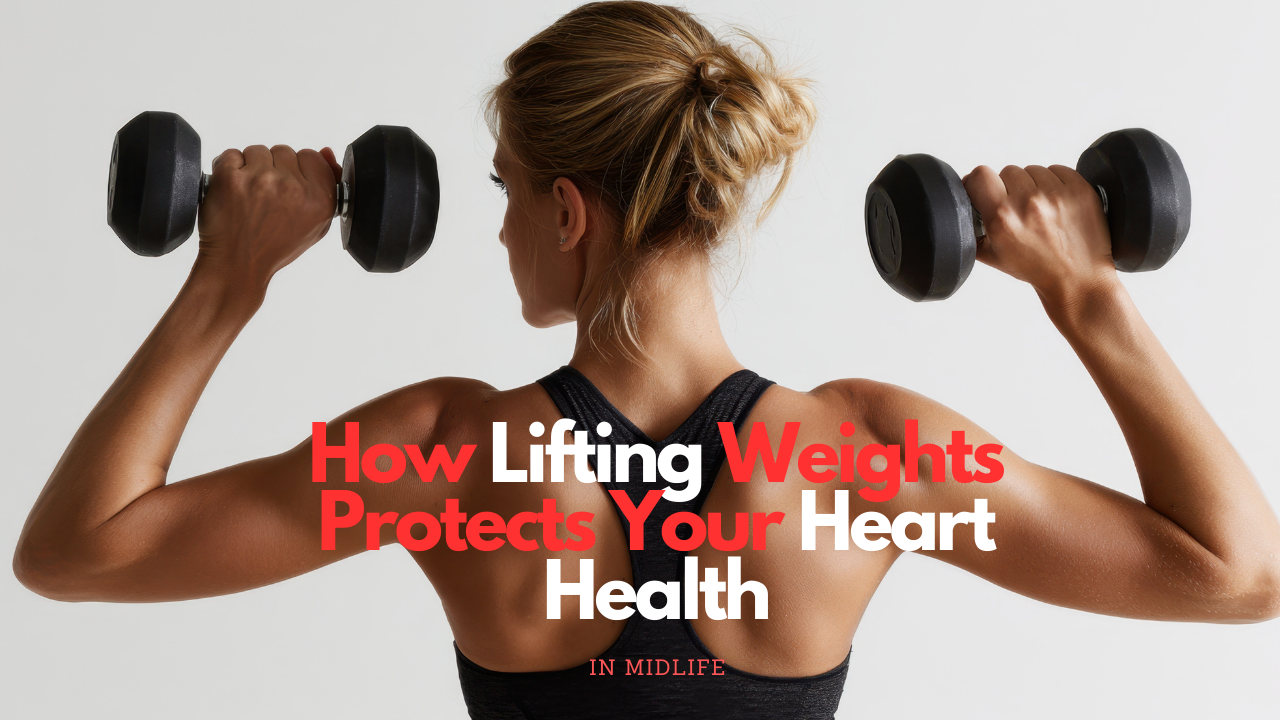
If you are in your forties or fifties, you may already feel the shift. Your body changes, your hormones fluctuate, and your energy can feel unpredictable. Many women assume that improving heart health in midlife is all about cardio. Walking, jogging, cycling. These are wonderful, but they are only part of the picture.
The real secret for a stronger, healthier heart in midlife is lifting weights. Yes, strength training. It is not just for building toned arms or shaping your legs. It is one of the most powerful heart protecting tools you can use during perimenopause and menopause.
Here is why strength training matters more than ever for your heart.
Hormone changes increase heart disease risk
As estrogen declines in midlife, your cardiovascular system begins to shift. Estrogen plays a role in keeping blood vessels flexible, supporting healthy cholesterol levels, and reducing inflammation. When levels drop, your arteries can stiffen, blood pressure may rise, and cholesterol can creep up even if your lifestyle has not changed.
This is one of the reasons heart disease risk increases after menopause. It is not about doing something wrong. It is about understanding what your body now needs.
Strength training supports these changes and helps protect your heart in ways most women never realise.
Strength training improves blood pressure
When you lift weights, your muscles contract and release, which helps improve the elasticity of your blood vessels. Over time, this supports healthier blood pressure levels. Studies show that consistent strength training can be as effective as some medications in lowering blood pressure, especially in women over forty.
This is powerful because healthy blood pressure is one of the biggest protectors against heart disease, heart attack, and stroke.
Muscle mass improves how your body uses sugar
Another midlife shift is insulin sensitivity. Many women notice weight gain around their middle, changes in blood sugar, or increased cravings. This is connected to how your body handles glucose.
Muscle tissue is one of the most metabolically active parts of your body. The more muscle you have, the better your cells respond to insulin. Better insulin sensitivity means steadier blood sugar, less inflammation, and a heart that does not have to work as hard.
Strength training helps you build and maintain this muscle, making it one of the most effective tools for supporting metabolic and cardiovascular health.
Lifting weights reduces inflammation
Chronic inflammation is linked to heart disease, high blood pressure, and metabolic issues. Inflammation naturally increases with age and is made worse by hormonal changes.
Strength training reduces inflammation by improving muscle function, supporting blood flow, and lowering stress hormones. When your body has more lean muscle and fewer inflammatory spikes, your heart becomes more protected.
Strength training supports healthy cholesterol
Many women notice changes to their cholesterol levels during perimenopause and menopause. Strength training improves HDL cholesterol, which acts as a cleaner for your arteries. It also helps reduce LDL cholesterol and triglycerides when combined with proper nutrition.
These improvements make a significant difference in long term cardiovascular health.
A strong body supports a strong heart
Strength training also improves posture, balance, joint health, and daily mobility. When your body moves better and more confidently, your whole cardiovascular system benefits. You breathe deeper, support better circulation, and create healthier movement patterns that protect your heart over time.
You do not need heavy weights or complicated routines. Two or three sessions a week using dumbbells, kettlebells, or resistance bands is enough to deliver heart protecting benefits.
What a heart friendly strength session looks like
Aim for full body movements that engage the major muscle groups.
Squats
Lunges
Rows
Chest presses
Deadlifts with light weights
Overhead presses
Core strengthening exercises
Start with a weight that feels manageable and build slowly. Your goal is steady progress, not intensity.
Your heart becomes stronger as you become stronger
Midlife is not a time to slow down. It is a time to be strategic. Strength training gives you the physical and metabolic support your heart needs as hormones shift.
When you build muscle, you support your arteries. When you lift weights, you stabilise blood sugar. When you get stronger, your heart becomes stronger too.
Lifting weights is not just about fitness. It is about protecting the organ that keeps you alive so you can move through your forties, fifties, and beyond with more confidence, strength, and vitality.
Stay connected with news and updates.
Join our mailing list to receive the latest news and updates from our team.
Don't worry, your information will not be shared.
We hate SPAM. We will never sell your information, for any reason.